

Table of Contents
- 1. Reach out to friends and family
- 2. Work out
- 3. Write a gratitude list
- 4. Remind yourself that today is the only day you can change
- 5. Cry. Yell. Feel.
- 6. Get fresh air
- 7. Do what you can with what you have
- 8. Write, even if you’re not a writer
- 9. Remind yourself of hardships you’ve already overcome
- How to ride out an urge to drink
- When a bad day becomes a bad few weeks
- Why drinking makes hard days harder
- When coping on your own isn’t enough
- Getting help at Red Rock Recovery Center
- Frequently asked questions
- Sources
- When life gets you down, healthier options than drinking include reaching out to someone, moving your body, writing a gratitude list, getting outside, journaling and taking one small action.
- Even five minutes of physical activity has real health benefits, and exercise can lift mood and ease stress and anxiety.1
- Urges to drink are usually short-lived. If you ride one out instead of fighting it, it tends to crest like a wave and pass.3
- Using alcohol or drugs more often than usual is a sign that stress may need professional help.2
- If low mood, sleep problems or loss of interest last 2 weeks or more, talk to a doctor or therapist.4
When life gets you down, there are better options than drinking: reach out to someone, move your body, write a gratitude list, focus on just today, let yourself feel it, get outside, take one small action, write it out, and remind yourself of hard times you’ve already come through.
None of them makes problems vanish, but none of them adds a hangover, a regret or a relapse to the pile.
Early in sobriety, people often hear that it won’t all be sunshine and rainbows. That sounds obvious, but the point is real: hard days still come, and you need a plan for them when alcohol is no longer an option. Here are nine things to try.
If you're thinking about harming yourself, call or text 988 to reach the Suicide and Crisis Lifeline. In an emergency, call 911. If you drink heavily and want to stop, talk to a doctor first, because alcohol withdrawal can be dangerous.
Brothers Daniel and Shawn Henley, both in long-term recovery, on why they started Red Rock and what recovery has given them.
1. Reach out to friends and family
When people are drinking, they often push away the people who care about them. Talking about what’s wrong can feel like admitting weakness, so it’s easier to pour a drink and keep it inside.
Everyone struggles. The National Institute of Mental Health suggests reaching out to friends or family who can offer emotional support and practical help when you’re having a hard time4.
Calling a friend, a family member, a sponsor or a sober peer and saying “I’m having a hard day” is one of the most powerful things you can do. When you’re not drinking and burning bridges, it gets easier to trust that people will show up.
If you feel you don’t have anyone to call yet, that’s common in early recovery. Meetings, group therapy and alumni groups are good places to start building that list.
2. Work out
Exercise is often the last thing you feel like doing when you’re down, and one of the most helpful. According to MedlinePlus, during exercise the body releases chemicals that can improve mood and help you feel more relaxed, which helps with stress and anxiety and lowers the risk of depression1.
It doesn’t need to be a hard workout. MedlinePlus notes that even five minutes of activity has real health benefits1. A walk around the block, a short bike ride, some stretching or a pickup game all count. After moving, problems often feel a little smaller and more manageable.
It's really important to me that people know that there's hope and that there's options for them, and that they're not doomed to a life of misery or boredom or mediocrity through sobriety.
 Daniel HenleyCo-Founder, Chief Business Officer · Meet the Founders video
3. Write a gratitude list
Many people in recovery write a gratitude list every day. It’s as simple as it sounds: grab a pen and write down what you’re grateful for, big or small.
Gratitude is one of the self-care habits the National Institute of Mental Health recommends: each day, name specific things you’re thankful for4.
Seeing those things on paper is a reminder that life isn’t hopeless, even on days when everything seems to go wrong. A roof, a friend who texted back, a good cup of coffee, another day sober. Most people find the list is longer than they expected.
I've struggled a few times through the last couple years. Red Rock has been consistent and caring with my recovery. Plus the after-program care is top notch.
 Recovery housingLakewood, COAscent sober living 4.7 (146 Google reviews)Men's and women's recovery homes for people in PHP, IOP or early recovery.
 24/7 medical careMorrison, COMedical detox 4.7 (65 Google reviews) In network: Anthem, Cigna, Aetna, UnitedHealthcare, TRICAREMedically supervised withdrawal with nursing care around the clock, usually 7 to 10 days.
 Live-in careMorrison, COResidential treatment 4.7 (65 Google reviews) In network: Anthem, Cigna, Aetna, UnitedHealthcare, TRICAREA structured, 12-step based program in the foothills, typically 2 to 4 weeks.
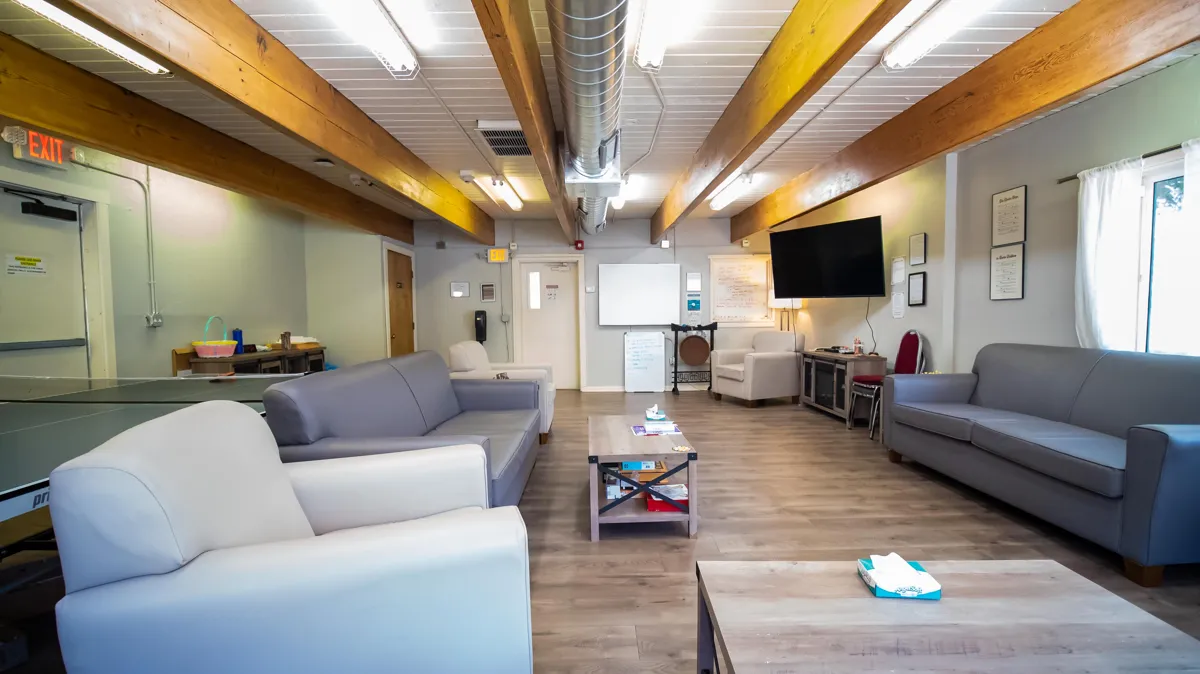 Day programLakewood, COPartial hospitalization (PHP) 4.7 (146 Google reviews) In network: Anthem, Cigna, Aetna, UnitedHealthcare, TRICAREAbout 30 hours of treatment a week over 5 days, going home or to sober living at night.
 OutpatientLakewood, COIntensive outpatient (IOP) 4.7 (146 Google reviews) In network: Anthem, Cigna, Aetna, UnitedHealthcare, TRICARE9 to 12 hours a week of group and individual therapy that fits around work and family.
 Live onlineAnywhere in ColoradoVirtual IOP 4.7 (146 Google reviews) In network: Anthem, Cigna, Aetna, UnitedHealthcare, TRICAREThe same IOP groups and therapists, live by video, for Colorado residents.
4. Remind yourself that today is the only day you can change
It’s easy to spiral into tomorrow, next year, ten years from now. Planners especially find it hard to stay in the present.
But today is the only day you can actually do anything about. That’s the heart of “one day at a time.” Breaking life into small, simple pieces, sometimes just the next hour, makes it far more manageable.
5. Cry. Yell. Feel.
Many people drank so they wouldn’t have to feel. Getting sober means feeling a lot, and that can be uncomfortable at first.
Letting emotions out, by crying, venting to someone safe, or yelling into a pillow, won’t change the situation, but it can release a lot of pressure. Feelings that are expressed tend to pass. Feelings that are pushed down tend to build.
6. Get fresh air
For many people, time in nature is calming. It can be a reminder that you’re part of something bigger, and that today’s problems are one piece of a much larger picture.
If you live in a city, find a park. If you live somewhere quieter, take a long walk or just sit outside for a while. Fresh air has a way of hitting the reset button. It’s one reason time outdoors, from hiking to gardening, is part of outdoor and nature therapy at Red Rock.
7. Do what you can with what you have
Some things are simply beyond our control, and that’s hard to accept. But feeling powerless is a common trigger for drinking.
Small actions help restore a sense of agency: write a list of what needs to happen, make one phone call, wash the dishes, pay one bill. You may not be able to fix the whole situation, but you can do the next right thing.
- Write down the problem in one sentence
- List what you can control and what you can't
- Pick one small action you can take today
- Do it, then let the rest wait until tomorrow
8. Write, even if you’re not a writer
No one has to see what you write. Putting your thoughts on paper is better than letting them circle in your head over and over.
Journaling won’t necessarily change the situation, but it can change your mindset, and attitude goes a long way when dealing with struggles. Some people write freely; others answer a simple prompt like “What am I feeling, and what do I need right now?”
9. Remind yourself of hardships you’ve already overcome
When it feels like your world is falling apart, think back to other times you felt that way and came through. For many people in recovery, the day they got sober is one of them. It may have felt like the end. It often turned out to be the beginning.
That memory is powerful on a bad day. Things have a way of shifting with time, and some of today’s hardest moments may turn out to matter in ways you can’t see yet.
How to ride out an urge to drink
Hard days often come with a strong urge to drink. The good news is that urges are usually short-lived and predictable, and you can learn to handle them. The National Institute on Alcohol Abuse and Alcoholism (NIAAA) suggests several ways to get through one3:
- Remind yourself why you stopped. Keep your top reasons somewhere you’ll see them, like a note in your phone or a card in your wallet.
- Talk it through. Call someone you trust and tell them you’re having an urge.
- Distract yourself. Take a walk, have a shower, meditate or pick up a hobby until the urge fades.
- Challenge the thought. Notice the thought behind the urge, such as “one won’t hurt,” and replace it with a more honest one.
- Ride it out. Accept the urge as normal and temporary instead of fighting it. NIAAA compares it to an ocean wave that builds, crests and passes.
- Leave. If you’re somewhere tempting, have a plan for leaving quickly.
With practice, urges tend to lose strength over time3. It also helps to keep alcohol out of the house and to skip events built around drinking while you’re getting stronger.
When a bad day becomes a bad few weeks
Everyone has down days. But if low mood, trouble sleeping, changes in appetite or losing interest in things you used to enjoy last 2 weeks or more, it’s time to talk to a doctor or therapist4. Depression and anxiety are common in recovery, and they’re treatable.
Why drinking makes hard days harder
Alcohol can numb stress for an hour or two, but it doesn’t solve the problem that caused it, and it often makes sleep, mood and anxiety worse the next day. MedlinePlus lists using alcohol or drugs more often than usual as one sign that stress may need professional help2.
- Brief relief, then the problem is still there
- Worse sleep and mood afterwards
- Risk of losing sober time
- Often adds guilt and shame
- Relief that builds over time
- Supports sleep, health and mood
- Strengthens your recovery
- Builds confidence you can handle hard days
It helps to have these options written down before you need them. Many people keep a short list in their phone, alongside a few names to call. That’s part of a relapse prevention plan.
When coping on your own isn’t enough
If you keep reaching for alcohol to get through hard days, or you’ve tried to cut back and couldn’t, it may be time for more support. That isn’t failure; it’s a sign the problem is bigger than willpower.
If you drink heavily or daily, don’t stop suddenly on your own. Alcohol withdrawal can cause seizures and other serious complications. Talk to a doctor, or look into medical detox.
Lindsey talks about getting help at Red Rock and what life in recovery looks like now.
Getting help at Red Rock Recovery Center
Red Rock Recovery Center treats alcohol use disorder at every stage: medical detox and residential treatment in Morrison, then PHP, IOP and sober living in Lakewood. Clients learn and practise coping skills like these in individual and group therapy, so hard days don’t have to mean a drink. To talk through options or check your insurance, contact our admissions team.
Frequently asked questions
What can I do instead of drinking when I'm sad?
Try calling someone you trust, going for a walk, writing down what you're feeling, or doing something with your hands. Feelings tend to peak and pass, especially if you wait 15–20 minutes before deciding anything. If sadness lasts for weeks, talk to a doctor or therapist.
Why do I want to drink when I'm stressed?
Alcohol briefly dulls stress and anxiety, so the brain learns to reach for it. Over time, drinking usually makes stress, sleep and mood worse. MedlinePlus lists using alcohol or drugs more than usual as a sign that stress may need professional help.
How do I cope with a craving to drink?
Delay, distract and reach out: tell yourself you'll wait, change what you're doing, and call someone in your support network. Playing the tape forward, picturing the whole night and the next morning, can also help. Our guide to managing cravings has more ideas.
Is it safe to stop drinking on my own?
If you drink heavily or daily, stopping suddenly can cause dangerous withdrawal, including seizures. Talk to a doctor before you quit, and consider medical detox. Never try to detox from alcohol alone after heavy use.
When is it time to get help for drinking?
If you keep turning to alcohol to cope, have tried to cut back and couldn't, or drinking is affecting your health, work or relationships, it's worth talking to a professional. A short assessment can help you understand your options.
This article is for general education and doesn't replace an individual medical or clinical evaluation. Everyone's situation is different; a conversation with our team is the fastest way to know what applies to you.
If you or someone you care about is in immediate danger, call 911. For a mental health crisis, call or text 988.