

Table of Contents
- Early sobriety usually gets easier with time. The first days and weeks can feel hopeless, but each day tends to get a little easier to get through.
- Alcohol withdrawal symptoms usually start within 8 hours of the last drink and peak by 24 to 72 hours, while sleep changes, mood swings and tiredness can last for months.1
- Setbacks are common: relapse rates for substance use disorders (40 to 60%) are similar to those for chronic illnesses such as high blood pressure and asthma, and relapse doesn't mean treatment failed.3
- A Cochrane review found that manualized AA and twelve-step facilitation increased continuous abstinence more than other established treatments such as CBT.4
- Red Rock's programming is 12-step based, with meetings nearly every day at every level of care, led by outside volunteers or hosted by clients.
The things I wish someone had told me when I first got sober come down to one message: it gets better. Early sobriety, the first days, weeks and months without drinking or using, is often the hardest stretch of recovery. It can feel hopeless, lonely and frightening, and it’s hard to believe life will ever feel good again.
Below are the lessons from my own early sobriety, first published by The Fix, followed by what the research says about the first months of recovery and where to find support. If you’re newly sober, or thinking about getting sober, I hope they help.
Brothers Daniel and Shawn Henley, both in long-term recovery, on why they started Red Rock and what recovery has given them.
Lessons from my early sobriety
It will get better and it will get easier
I remember feeling so utterly hopeless in my first few days of sobriety. I didn’t think I would ever be happy again. I actually kept a journal during that time and when I go back and read it, I can’t even believe I wrote it.
I was so hellbent on returning to drinking that nothing else mattered. I was miserable, and I knew I would stay that way until I could drink again. Except that didn’t happen.
One day passed, then one week, then one month. I found that each day it became easier to get out of the bed in the morning. I began laughing again. I felt myself returning. Time really does heal. It’s just a matter of muddling through those first few weeks and months.
It’s OK to be scared
One of my favorite quotes is, “It’s good to be scared. It means you still have something to lose.” (Thanks, Grey’s Anatomy). Think about it though. Why would fear even be present if we didn’t still have things in our life that we loved and cherished?
Being scared is a good sign because it means that you know your life is changing, likely for the better. It means you don’t have to lose any more than you’ve already lost. In most cases, you’ll even gain back what you’ve lost.
You will feel normal again
When I got sober at 20 years old, I didn’t think I would ever be a normal person. How could I when I would never even have a legal drink? I mean, that’s what normal people do. I was convinced I was doomed to a life of being an outcast.
But that was just my “poor me” mindset talking. Today, I feel mostly normal. To be honest, I’ve found that there’s a sort of happiness in not being completely normal. Normal is boring. Normal doesn’t give you a story.
Bad days don’t make you a failure
I still have bad days where I would love to be able to go out and let loose like others my age. I still have days where I think “What if…” When this happens I catch myself thinking that I’ve somehow failed at sobriety just because drinking enters my mind.
This isn’t true. It would be bad if the thought of picking up a drink never, ever crossed my mind again. Part of being an alcoholic is learning how to combat those thoughts. At the end of the day, just the thought does not make me a failure.
There are others like you
I felt so alone when I stopped drinking. Sure, I knew adults who were sober. But not 20 year olds. People my age didn’t get sober as far as I was concerned.
However, once I started treatment I found out that there were whole programs for people like me. In fact, when I went to Texas for ICYPAA (the International Conference of Young People in Alcoholics Anonymous), there were thousands of young people like me.
I also realized that even though adults weren’t like me in terms of their age, they were still like me. Alcoholism doesn’t discriminate. Today I know that I am never, ever alone.
There’s less stigma around addiction than you expect
Times change and it took me awhile to realize that substance abuse is more widely accepted today than in the past. I assumed that anyone who knew about what I was going through would immediately judge me and write me off as a lost cause.
However, that wasn’t the case at all. I’ve never felt as much love and acceptance as when I finally decided to be honest with myself and the people around me.
You are not an embarrassment
This was probably my biggest anxiety and the reason I kept my sobriety so hush-hush at first. I didn’t want my family to have to deal with the embarrassment and shame that was sure to follow me admitting what was happening. Even though they made it clear that they didn’t feel like I was a burden, I was convinced that was how it would feel.
But once I started telling people, I realized I was wrong. Most people, especially my family, were just proud of me. There was no shame or embarrassment that went along with my confessions.
You will meet so many unexpected people
I met THE Luke Bryan because I got sober. True story (long story, though). While I can’t promise that sobriety will lead anyone to meeting celebrities, I can promise that it will lead them to meeting people who will make them wonder how they ever lived without them.
So many beautiful human beings have come into my life because I got sober, including my sponsor, my boyfriend, a fellow sobriety birthday and blogger sister, and countless others. Some I’ve never met in real life, but we communicate through technology.
There are so many people in my life today who make every moment of the struggle of sobriety so worth it. They remind me who I am and why I am doing this. Every single day.
Original Article re-printed here with permission from TheFix.com
What the first weeks of sobriety feel like
Many people feel worse before they feel better. If you drank heavily, your body has to adjust to life without alcohol. Alcohol withdrawal symptoms usually start within 8 hours of the last drink, though they can start days later. They tend to peak by 24 to 72 hours and can go on for weeks1.
Even after the physical symptoms ease, sleep changes, quick mood swings and tiredness can last for months1. Some people call this post-acute withdrawal. Knowing it’s normal can make it less scary when a hard week shows up after a good one.
Alcohol withdrawal can quickly become life-threatening1. If you drink heavily or every day, talk to a doctor or a medical detox program before you stop. Call 911 for a seizure, confusion or hallucinations, and call or text 988 if you're having thoughts of suicide.
It's really important to me that people know that there's hope and that there's options for them, and that they're not doomed to a life of misery or boredom or mediocrity through sobriety.
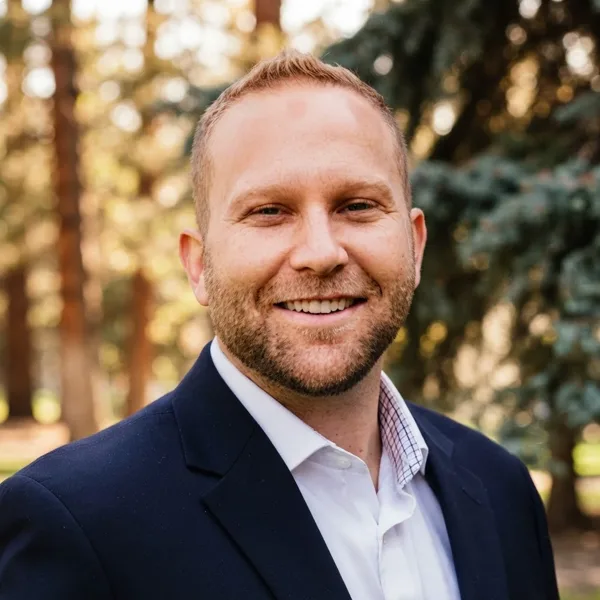 Daniel HenleyCo-Founder, Chief Business Officer · Meet the Founders video
Setbacks are part of many recoveries
The fear of “messing up” keeps a lot of people from trying. The truth is that setbacks are common among people who overcome alcohol problems, and a return to drinking can be a temporary setback rather than a failure2.
Relapse rates for substance use disorders, around 40 to 60%, are similar to those for other chronic illnesses such as high blood pressure and asthma. Relapse doesn’t mean treatment has failed. It usually means the plan needs adjusting3. Our guide to building a relapse prevention plan walks through how to prepare.
I've struggled a few times through the last couple years. Red Rock has been consistent and caring with my recovery. Plus the after-program care is top notch.
 Recovery housingLakewood, COAscent sober living 4.7 (146 Google reviews)Men's and women's recovery homes for people in PHP, IOP or early recovery.
 24/7 medical careMorrison, COMedical detox 4.7 (65 Google reviews) In network: Anthem, Cigna, Aetna, UnitedHealthcare, TRICAREMedically supervised withdrawal with nursing care around the clock, usually 7 to 10 days.
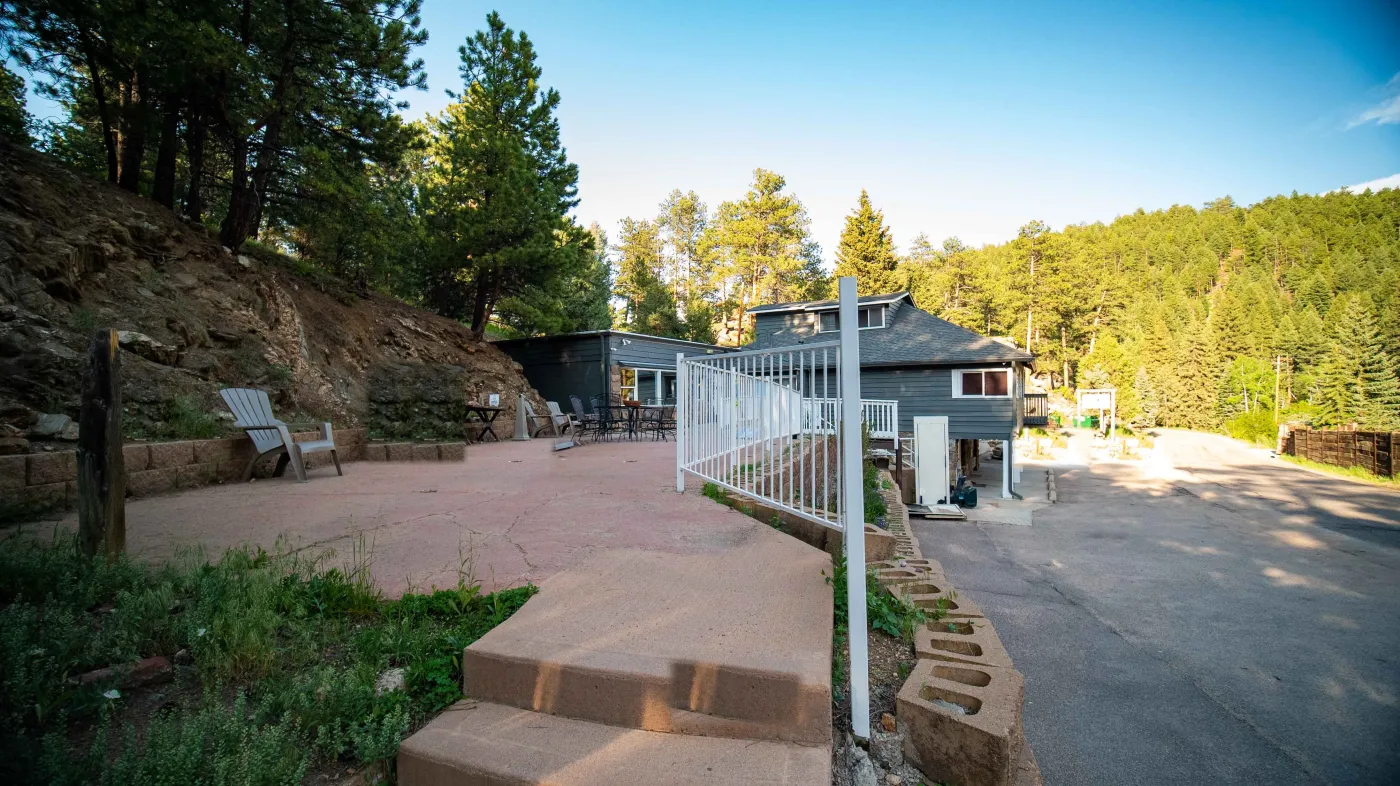 Live-in careMorrison, COResidential treatment 4.7 (65 Google reviews) In network: Anthem, Cigna, Aetna, UnitedHealthcare, TRICAREA structured, 12-step based program in the foothills, typically 2 to 4 weeks.
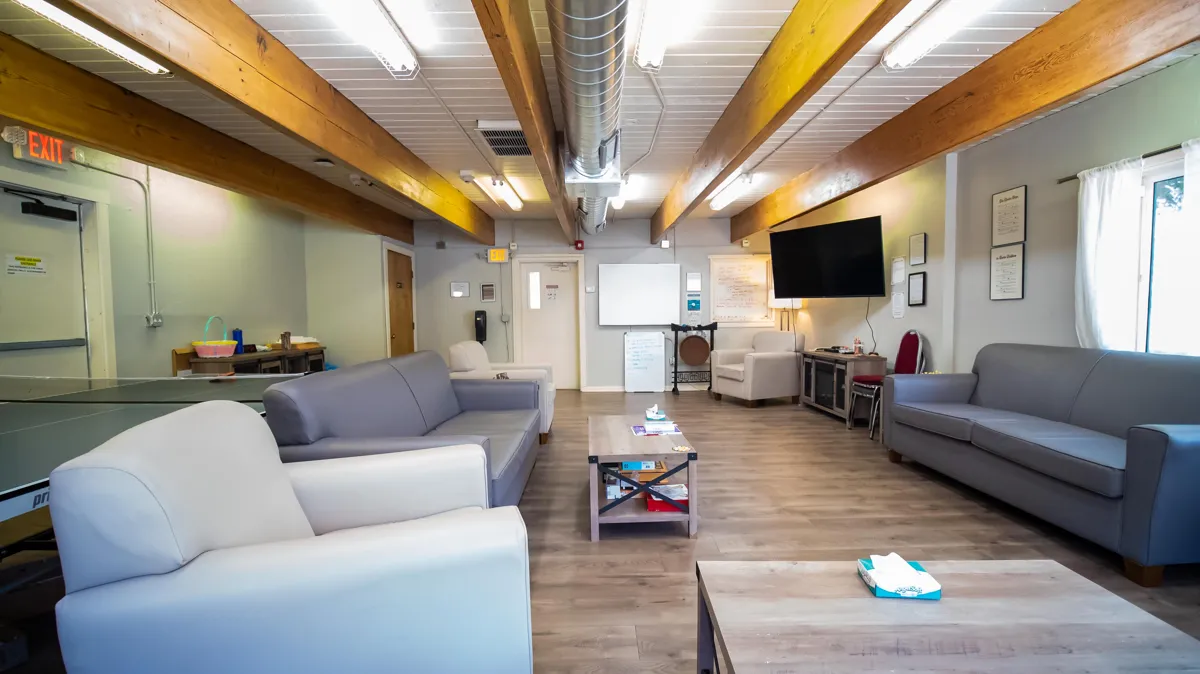 Day programLakewood, COPartial hospitalization (PHP) 4.7 (146 Google reviews) In network: Anthem, Cigna, Aetna, UnitedHealthcare, TRICAREAbout 30 hours of treatment a week over 5 days, going home or to sober living at night.
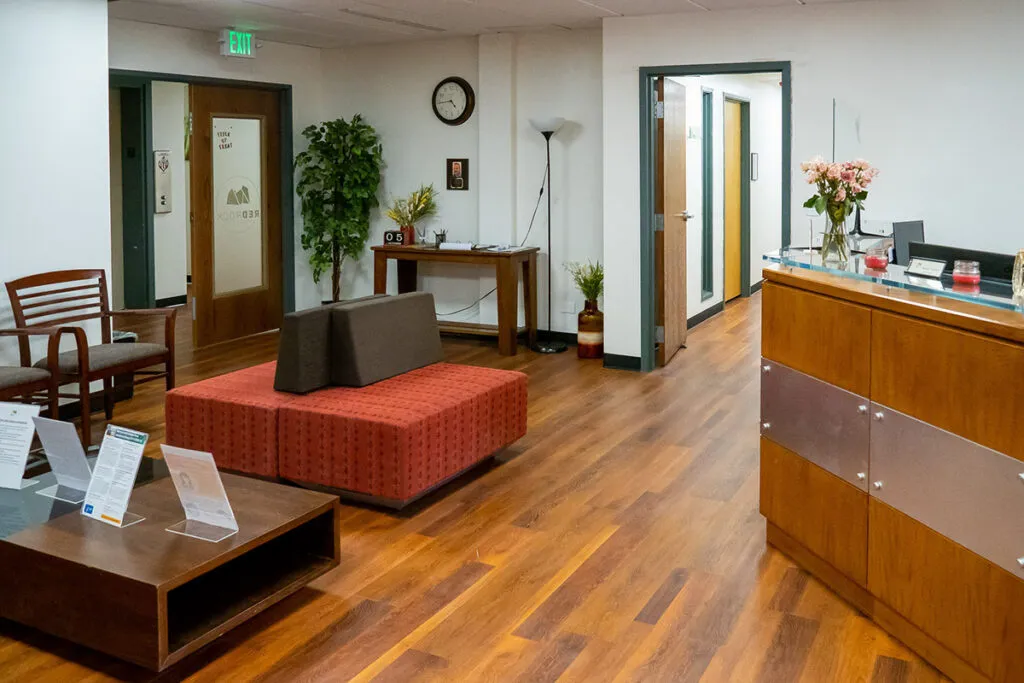 OutpatientLakewood, COIntensive outpatient (IOP) 4.7 (146 Google reviews) In network: Anthem, Cigna, Aetna, UnitedHealthcare, TRICARE9 to 12 hours a week of group and individual therapy that fits around work and family.
 Live onlineAnywhere in ColoradoVirtual IOP 4.7 (146 Google reviews) In network: Anthem, Cigna, Aetna, UnitedHealthcare, TRICAREThe same IOP groups and therapists, live by video, for Colorado residents.
Finding your people in early sobriety
Connection is one of the strongest themes in early recovery. Support from friends and family matters, and mutual-support groups like AA can add a valuable extra layer of support alongside professional treatment2.
The evidence for 12-step groups is strong. A Cochrane review found that manualized AA and twelve-step facilitation programs increased continuous abstinence more than other established treatments, such as cognitive behavioral therapy (CBT)4.
Ways to start building your sober network:
- Try several meetings, including young people's meetings, until you find ones that feel like home.
- Ask someone with time in the program to be your sponsor. Here are the benefits of having a sponsor.
- Tell one or two trusted people what you're going through.
- Fill the time you used to spend drinking with people and activities that don't revolve around alcohol.
Zeron talks about getting help at Red Rock and what life in recovery looks like now.
Getting sober with Red Rock Recovery Center
Red Rock Recovery Center is a Colorado addiction treatment center with locations in Morrison and Lakewood. Our programming is 12-step based, with meetings nearly every day at every level of care, led by outside volunteers or hosted by clients. Step work itself is guided by fellowship sponsors, not staff.
Care follows the full path: medical detox, usually 7 to 10 days, then residential treatment, PHP, IOP and sober living, with aftercare and alumni support once formal treatment ends. If you’re ready to talk, our admissions team can help you find the right starting point.
- MedlinePlus: Alcohol withdrawal
- National Institute on Alcohol Abuse and Alcoholism: Treatment for Alcohol Problems: Finding and Getting Help
- National Institute on Drug Abuse: Treatment and Recovery (Drugs, Brains, and Behavior: The Science of Addiction)
- Cochrane: Alcoholics Anonymous (AA) and other 12-step programmes for alcohol use disorder
This article is for general education and doesn't replace an individual medical or clinical evaluation. Everyone's situation is different; a conversation with our team is the fastest way to know what applies to you.
If you or someone you care about is in immediate danger, call 911. For a mental health crisis, call or text 988.