


Table of Contents
- The myth of a quick fix for addiction
- Beyond getting clean: why detox alone isn’t recovery
- Quick fixes that don’t work
- Finding meaning in life: the longer, more active approach
- Relapse doesn’t mean recovery failed
- How families can help when a loved one wants a quick fix
- Changing how we think about recovery
- Long-term recovery support at Red Rock Recovery Center
- Sources
- There is no quick fix for addiction. Drug and alcohol use changes brain circuits for reward, stress and self-control, and cues can trigger cravings even years later.2
- Relapse rates for substance use disorders are 40 to 60%, similar to asthma and high blood pressure, so addiction is best treated like any other chronic illness.1
- Rapid detox under anesthesia is not a shortcut: in one New York City clinic, 7 of 75 patients had serious adverse events, including deaths, and it doesn't improve long-term abstinence.3
- Residential treatment usually lasts a few weeks to a few months, and many people need ongoing or repeated care.5
- Lasting recovery is built step by step. At Red Rock that means detox, then residential, PHP, IOP and sober living, with 12-step based programming.
Is there a quick fix for addiction? No. Addiction develops over months or years and changes how the brain handles reward, stress and self-control, so recovery takes time too2. Quick fixes, from a few days of detox to “rapid detox” clinics, work more like duct tape than a real repair.
This post explains why there’s no fast cure for drug or alcohol addiction, which shortcuts can backfire, and what a longer, more active approach to recovery looks like in practice.
Brothers Daniel and Shawn Henley, both in long-term recovery, on why they started Red Rock and what recovery has given them.
The myth of a quick fix for addiction
In general, most quick fixes are more “duct tape” than solution. One reason people relapse is that they, or the people around them, took a short-term view of addiction recovery. When it comes to recovery, a longer and more active approach works best.
People don’t become addicted to drugs or alcohol overnight. Likewise, recovery can’t be expected overnight either.
The problem with the quick-recovery view was highlighted in a New York Times column by philosopher Peg O’Connor, Ph.D. Dr. O’Connor takes issue with the popular idea of “the addicted brain.” She doesn’t reject it; she sees addiction as much more complex, and the treatment for a person’s addiction as equally so. Brain changes are just one part of the larger picture.
How addiction changes the brain
Those brain changes are real, and they help explain why a quick fix rarely sticks. Drugs over-activate the brain’s reward circuit, which teaches the brain to repeat the behavior. Another area drives the anxiety and discomfort of withdrawal, which pushes people to use again just to feel normal2.
Meanwhile, the prefrontal cortex, which handles planning, decision-making and self-control, is affected too2. Cues linked to past use, such as people, places or feelings, can trigger cravings even in people who haven’t used in many years2. Changes like these don’t reverse in a weekend.
Beyond getting clean: why detox alone isn’t recovery
Detox and residential rehab provide the opportunity, structure and environment to become drug free. It is a good start, but not the whole enchilada. As Dr. O’Connor puts it, “One still needs to learn the skills or ways of living healthfully and happily.” That is a long-term proposition and far from a quick fix. It is also deeply personal.
Detox on its own can even raise risk. After opioid withdrawal, tolerance drops, so a person can overdose on a much smaller amount than they used before. Most opioid overdose deaths happen in people who have just detoxed6. That’s why detox should lead straight into ongoing treatment.
Filling the gap substances leave behind
During the years of drug, alcohol or even food addiction, the substance took on a major meaning and focus in life. It provided release, comfort and even a kind of joy. It gave purpose to daily life, even if that purpose was only finding the next fix.
One of the hardest parts of addiction recovery is learning ways to fill that gap.
Many people live with addiction, or the root causes that led to it, at the center of life for years or even decades. Take that away, and the idea of “a meaningful life” can be intimidating. Making healthy choices can feel overwhelming and confusing.
People in recovery also have to accept that a meaningful life doesn’t mean a perfect one. That adds the work of learning how to be human, with all its ups and downs, alongside that new, purpose-driven life.
It's really important to me that people know that there's hope and that there's options for them, and that they're not doomed to a life of misery or boredom or mediocrity through sobriety.
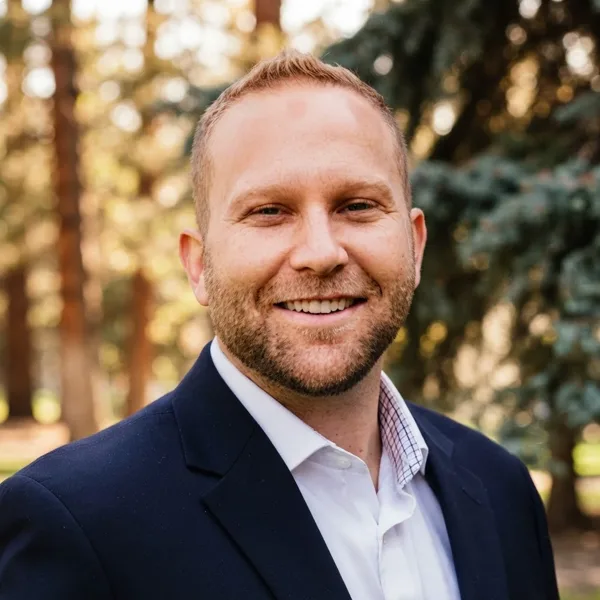 Daniel HenleyCo-Founder, Chief Business Officer · Meet the Founders video
Quick fixes that don’t work
When someone is desperate for change, shortcuts can look tempting. These are some of the most common:
- Detox and done. Getting through withdrawal is necessary, but it doesn’t treat the reasons behind substance use. Without follow-up care, relapse is likely, and lowered tolerance makes it more dangerous6.
- Rapid detox under anesthesia. Some clinics sell anesthesia-assisted “rapid” opioid detox while the patient is under general anesthesia. At one New York City clinic in 2012, 7 of 75 patients had serious adverse events, including deaths. The CDC notes the procedure has little evidence behind it and doesn’t improve 12-month abstinence compared with standard detox3.
- Willpower alone. Deciding to stop matters, but brain changes, cravings and old triggers make it hard to rely on willpower without support2.
- A single “aha” moment. Insight helps, but it fades without daily practice and support.
- Changing your surroundings only. A new city or job can help, but the thoughts and feelings that drove use come along.
Instead of rapid detox, health officials point to evidence-based approaches such as medication-assisted treatment3. At Red Rock, MAT is part of care for current program patients, and Suboxone can usually be continued.
This was my first time getting help for my addictions. I learned a lot from group sessions and really appreciated the schedule and staff. I've taken a lot of things I've learned from base camp with me after.
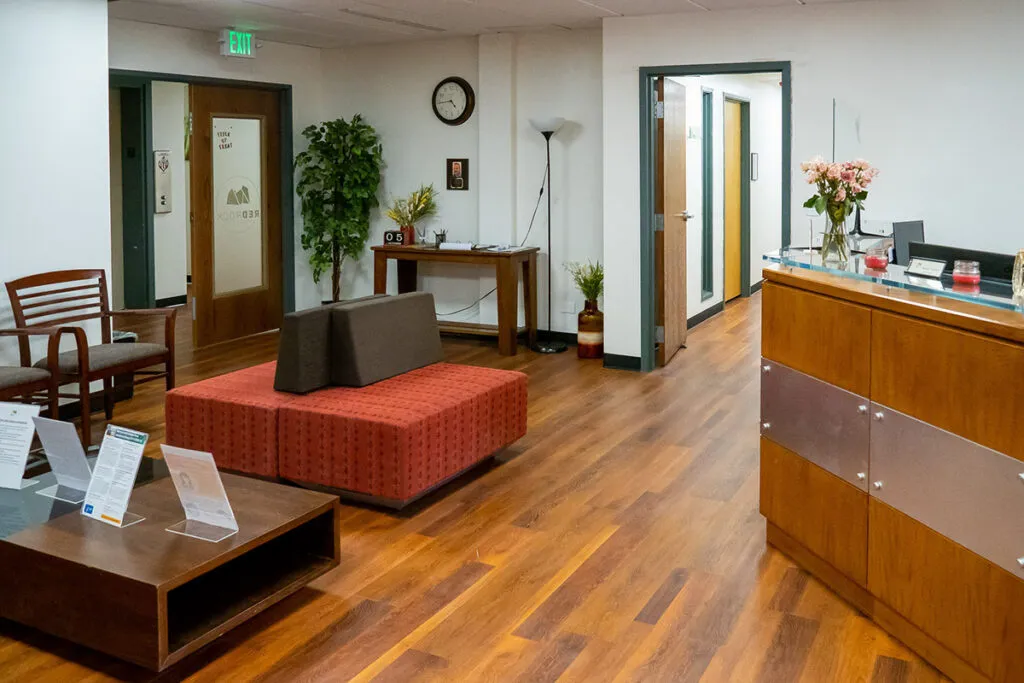 OutpatientLakewood, COIntensive outpatient (IOP) 4.7 (146 Google reviews) In network: Anthem, Cigna, Aetna, UnitedHealthcare, TRICARE9 to 12 hours a week of group and individual therapy that fits around work and family.
 24/7 medical careMorrison, COMedical detox 4.7 (65 Google reviews) In network: Anthem, Cigna, Aetna, UnitedHealthcare, TRICAREMedically supervised withdrawal with nursing care around the clock, usually 7 to 10 days.
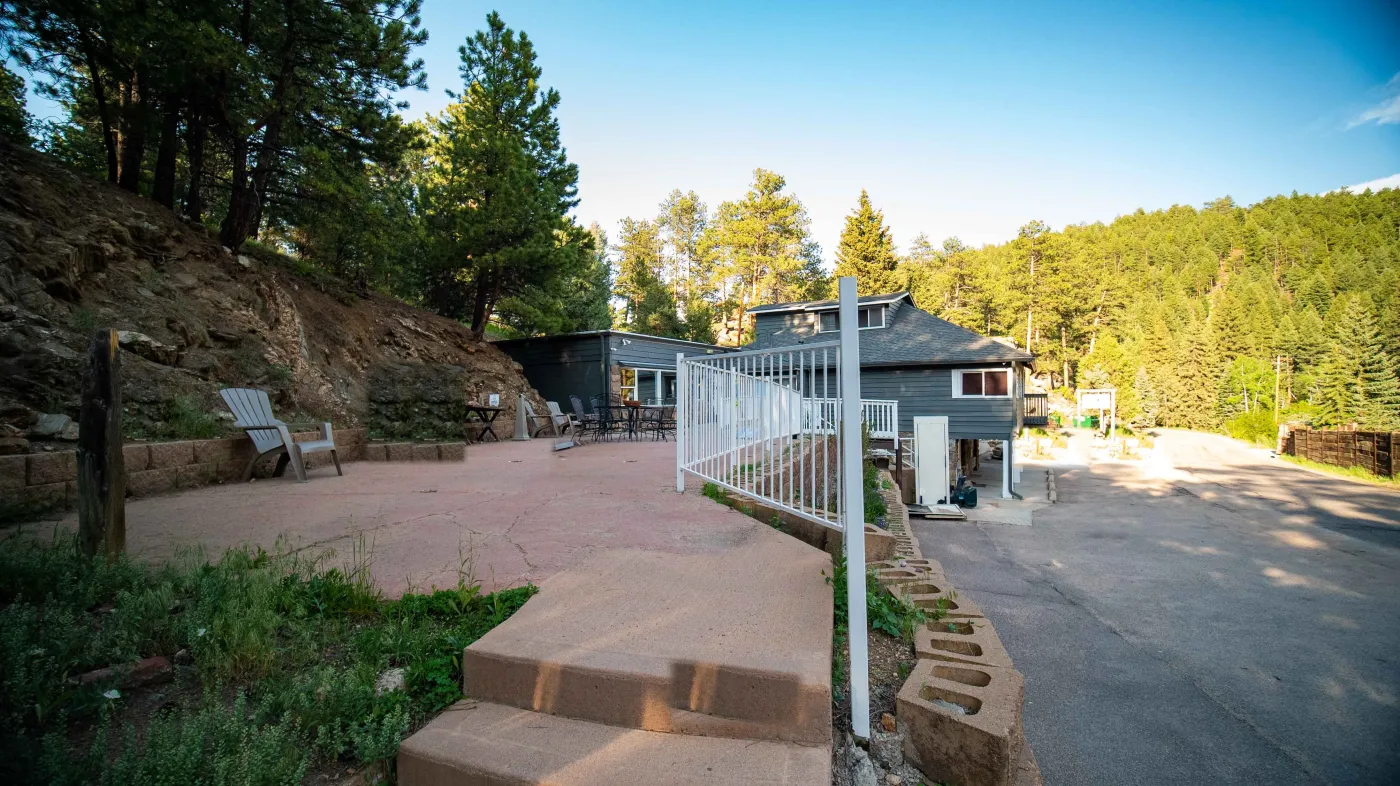 Live-in careMorrison, COResidential treatment 4.7 (65 Google reviews) In network: Anthem, Cigna, Aetna, UnitedHealthcare, TRICAREA structured, 12-step based program in the foothills, typically 2 to 4 weeks.
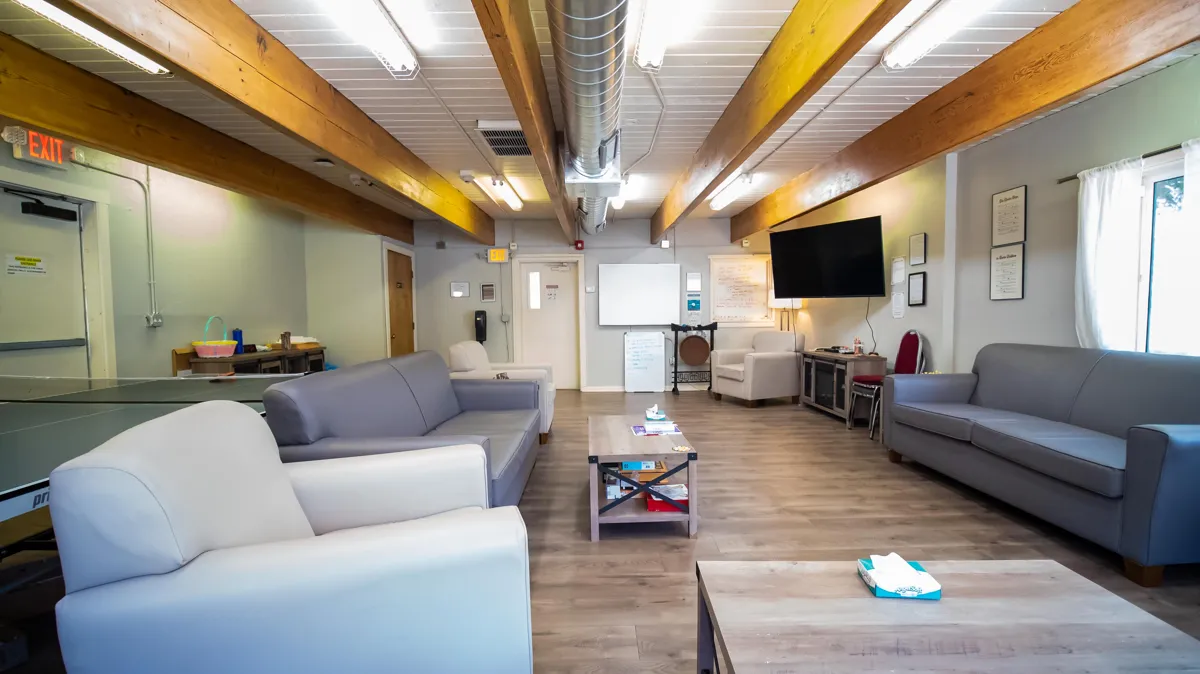 Day programLakewood, COPartial hospitalization (PHP) 4.7 (146 Google reviews) In network: Anthem, Cigna, Aetna, UnitedHealthcare, TRICAREAbout 30 hours of treatment a week over 5 days, going home or to sober living at night.
 Live onlineAnywhere in ColoradoVirtual IOP 4.7 (146 Google reviews) In network: Anthem, Cigna, Aetna, UnitedHealthcare, TRICAREThe same IOP groups and therapists, live by video, for Colorado residents.
 Recovery housingLakewood, COAscent sober living 4.7 (146 Google reviews)Men's and women's recovery homes for people in PHP, IOP or early recovery.
Finding meaning in life: the longer, more active approach
The continuum of addiction treatment is a more stable solution than the quick fix. From detox and residential care right through outpatient addiction care, finding meaning in life is a core part of treatment. This includes experiential therapies and some personal soul-searching through journaling or contemplation. It means finding purpose in life.
Just as the idea of a Higher Power is defined by the individual, so is the notion of meaning and purpose in life.
Another problem with the quick-fix idea is the belief that a sudden, powerful “aha” moment will define personal purpose and meaning. For most people, it takes time and a willingness to keep moving forward. It may even take some trial and error with jobs, volunteering and health pursuits before finding a combination that feels right.
How long does real recovery take?
There’s no single timeline. Residential treatment usually lasts a few weeks to a few months, and some people need long-term or repeated treatment episodes5. SAMHSA describes recovery as “a process of change through which individuals improve their health and wellness”4. A process, not an event.
Peer support is part of what keeps that process going. SAMHSA notes that peer support workers help people become and stay engaged in recovery and reduce the likelihood of relapse4.
What a step-by-step recovery path can look like
- Medical detox (usually 7–10 days at Red Rock)Withdrawal is managed safely with nursing care and medication, and the team plans what comes next.
- Residential treatment (weeks)Daily therapy, groups and structure away from everyday triggers.
- PHP and IOP (weeks to months)Treatment continues during the day or a few days a week while people practise new skills at home or in sober living.
- Sober living and aftercare (months and beyond)A substance-free home, meetings, alumni connection and a relapse prevention plan.
Not everyone needs every step, and a clinical assessment decides where someone starts. What matters is that care continues long enough for new habits to take hold.
Relapse doesn’t mean recovery failed
Addiction is a chronic condition, much like asthma or high blood pressure. Relapse rates for substance use disorders are 40 to 60%, similar to the 50 to 70% seen with those illnesses1.
A return to use doesn’t mean treatment has failed. It’s a sign to resume, change or try a new treatment1. Seeing addiction this way takes the shame out of setbacks and keeps the focus on what works over time.
How families can help when a loved one wants a quick fix
It’s natural to hope a loved one will come home from a week of detox “fixed.” Expecting that can set everyone up for disappointment. A few things help:
- Think in months, not days. Celebrate small steps, like finishing detox or going to a meeting.
- Encourage the next level of care after detox rather than a rush back to normal life.
- Learn the warning signs of relapse, and talk about a plan before it’s needed.
- Get support for yourself, through family programming, therapy or groups for loved ones.
If a relapse happens, try to respond with concern rather than blame, and help your loved one reconnect with care.
Changing how we think about recovery
As a society, one of the best things we can change is the idea of a quick fix. Believing that change takes time, effort and shared support also helps reduce the isolation of recovery.
Anna talks about getting help at Red Rock and what life in recovery looks like now.
Long-term recovery support at Red Rock Recovery Center
Red Rock Recovery Center is a family-owned, Colorado-licensed treatment program for adults recovering from alcohol and drug addiction. Care runs step by step: medical detox and residential treatment in Morrison, then PHP, IOP and sober living in Lakewood.
Our programming is 12-step based, alongside behavioral and life skills therapies and individual therapy at least weekly at every level of care. If you or someone you love is ready to start, contact admissions to talk through options and check your insurance.
- National Institute on Drug Abuse: Treatment and Recovery
- National Institute on Drug Abuse: Drugs and the Brain
- CDC MMWR: Deaths and Severe Adverse Events Associated with Anesthesia-Assisted Rapid Opioid Detoxification — New York City, 2012
- SAMHSA: Recovery and Recovery Support
- National Institute on Drug Abuse: Treatment
- MedlinePlus: Opiate and opioid withdrawal
This article is for general education and doesn't replace an individual medical or clinical evaluation. Everyone's situation is different; a conversation with our team is the fastest way to know what applies to you.
If you or someone you care about is in immediate danger, call 911. For a mental health crisis, call or text 988.