


Table of Contents
- Abstinence vs. sobriety at a glance
- What is abstinence?
- What is sobriety?
- Is abstinence enough?
- What sobriety looks like in practice
- Total abstinence in recovery
- Relapse, abstinence and sobriety
- How treatment helps you move from abstinence to sobriety
- Building sobriety at Red Rock Recovery Center
- Frequently asked questions
- Sources
- Abstinence means not drinking or using drugs. Sobriety starts with abstinence and adds the emotional, practical and relationship changes that help it last.
- SAMHSA defines recovery as a process of change through which people improve their health and wellness, which is closer to sobriety than to abstinence alone.1
- People with substance use disorders report much more difficulty managing emotions than people without them, which is one reason abstinence alone often feels hard to sustain.7
- Relapse rates for substance use disorders are 40 to 60%, similar to other chronic illnesses. A return to use is a sign to resume or adjust treatment, not proof that recovery failed.2
- AA's own pamphlet says no member should "play doctor": medication decisions belong with a qualified physician.3
The difference between abstinence and sobriety is the difference between stopping and changing. Abstinence means not drinking alcohol or using drugs. Sobriety includes abstinence, but it also means working on the emotions, thinking and habits that drove substance use, so that staying abstinent becomes possible and life feels worth staying sober for.
You’ll hear both words in treatment and in 12-step rooms, sometimes as if they mean the same thing. They’re closely linked, but understanding how they differ can help you or someone you love see what recovery actually asks for.
Brothers Daniel and Shawn Henley, both in long-term recovery, on why they started Red Rock and what recovery has given them.
Abstinence vs. sobriety at a glance
- Not using alcohol or drugs
- Measured in days without use
- Focuses on the substance
- Can be done through willpower alone, for a while
- A necessary starting point
- Abstinence plus a new way of living
- Measured in how life is changing
- Focuses on the person
- Built with support, skills and time
- What helps abstinence last
What is abstinence?
Abstinence is simply not using a substance. In addiction treatment it usually means not drinking alcohol and not using other mind-altering drugs, apart from medication taken as prescribed.
Abstinence is essential. For most people with a moderate or severe substance use disorder, it’s the safest goal, and nothing else in recovery can take hold while someone is still using. But abstinence on its own says nothing about what’s happening inside the person, how they’re handling stress, or whether their relationships are getting better or worse.
We wanted to create a seamless process for people who are making the most important decision of their lives, to know that they're not making that alone. We're with you every step of the way.
 Shawn HenleyCo-Founder, Chief Administrative Officer · Meet the Founders video
What is sobriety?
Sobriety is abstinence plus growth. It’s the ongoing work of learning to live without substances: handling emotions, repairing relationships, being honest, building routines and finding meaning.
That lines up with how SAMHSA describes recovery: “a process of change through which individuals improve their health and wellness,” live self-directed lives and work toward their full potential1.
There’s no single path. For some people sobriety centers on a 12-step program, a sponsor and regular meetings. For others it’s built through individual therapy, faith or spirituality, exercise, creative work, service or a combination. What they share is that the person is changing, not just abstaining.
Sober vs. sobriety
The two words overlap. “Sober” often describes a state: not under the influence right now, or not using for a period of time. “Sobriety” usually describes a longer-term way of life in recovery. Someone can be sober today without yet having much sobriety in that deeper sense.
Does sobriety mean abstinence?
In most recovery communities, yes. Sobriety includes abstaining from alcohol and other drugs. It’s the “and more” that makes it different.
What I realized was I didn't have to figure it out. It's kind of been figured out. I just needed to do what was suggested.
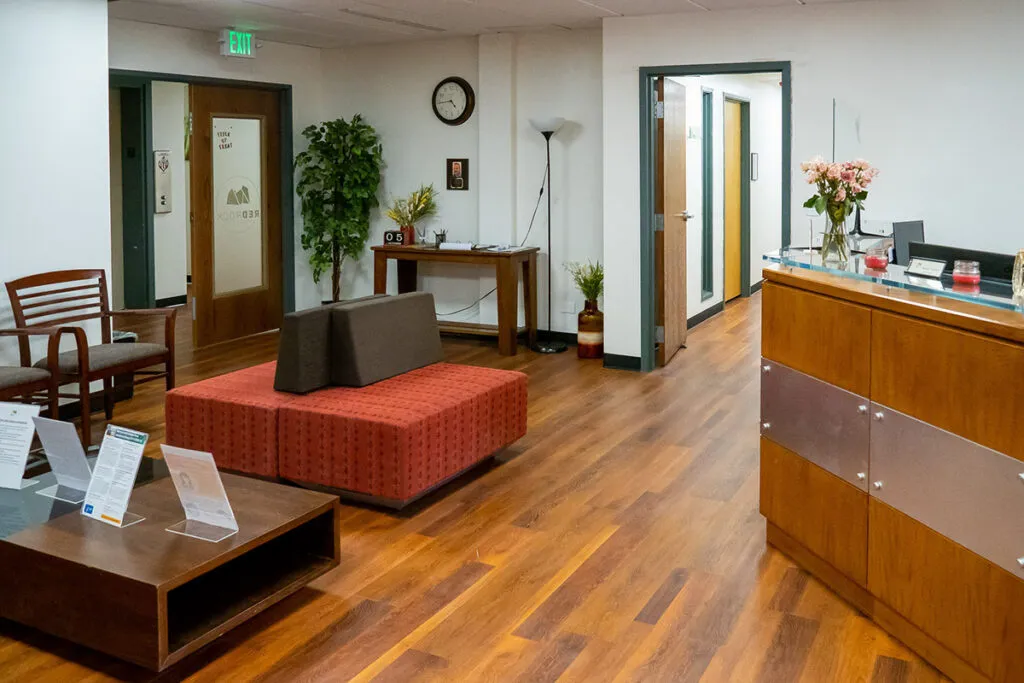 OutpatientLakewood, COIntensive outpatient (IOP) 4.7 (146 Google reviews) In network: Anthem, Cigna, Aetna, UnitedHealthcare, TRICARE9 to 12 hours a week of group and individual therapy that fits around work and family.
 24/7 medical careMorrison, COMedical detox 4.7 (65 Google reviews) In network: Anthem, Cigna, Aetna, UnitedHealthcare, TRICAREMedically supervised withdrawal with nursing care around the clock, usually 7 to 10 days.
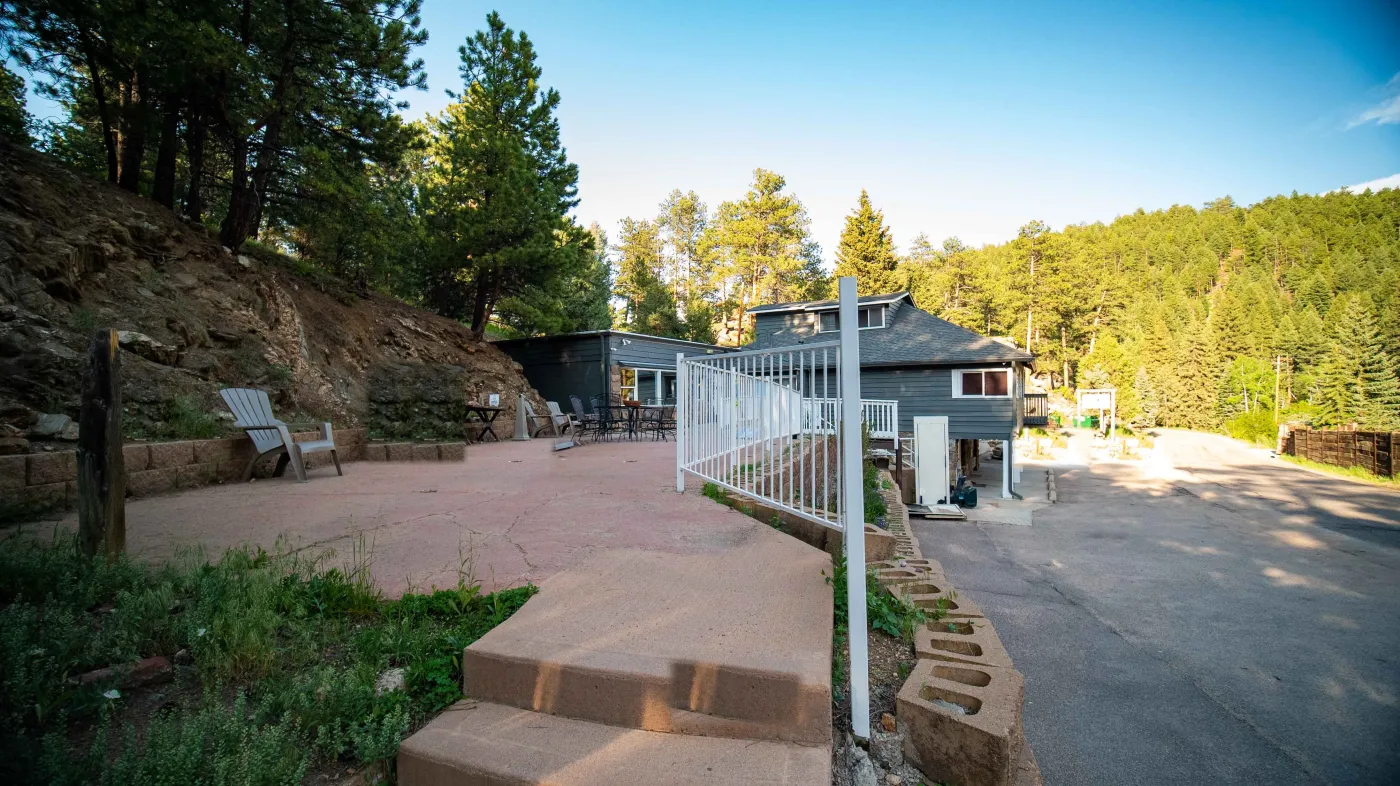 Live-in careMorrison, COResidential treatment 4.7 (65 Google reviews) In network: Anthem, Cigna, Aetna, UnitedHealthcare, TRICAREA structured, 12-step based program in the foothills, typically 2 to 4 weeks.
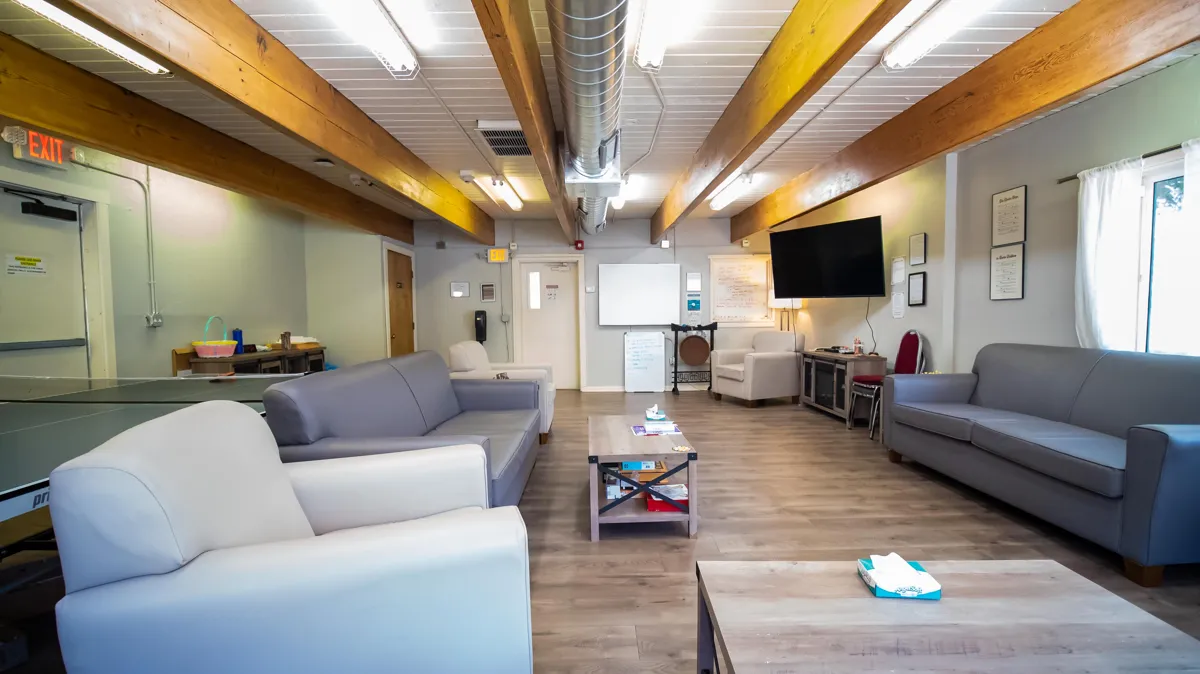 Day programLakewood, COPartial hospitalization (PHP) 4.7 (146 Google reviews) In network: Anthem, Cigna, Aetna, UnitedHealthcare, TRICAREAbout 30 hours of treatment a week over 5 days, going home or to sober living at night.
 Live onlineAnywhere in ColoradoVirtual IOP 4.7 (146 Google reviews) In network: Anthem, Cigna, Aetna, UnitedHealthcare, TRICAREThe same IOP groups and therapists, live by video, for Colorado residents.
 Recovery housingLakewood, COAscent sober living 4.7 (146 Google reviews)Men's and women's recovery homes for people in PHP, IOP or early recovery.
Is abstinence enough?
For a few weeks, abstinence can feel like enough. Over time, many people find it isn’t. Substances often served a purpose: to escape, numb painful feelings, relax, sleep, socialize or cope with trauma or depression. When the substance is gone, the need it was meeting is still there.
Research backs this up. A review of 22 studies found that people with substance use disorders report far more trouble managing emotions than people without them, and lean more on pushing feelings down7. Stopping use doesn’t teach those skills on its own.
Without new ways to cope, people often:
- Feel restless, irritable or discontented much of the time
- Hold on to resentment or blame
- Swap one compulsion for another, such as gambling, overeating, overspending or unhealthy relationships
- Isolate, or avoid honest conversations
- Keep the same lies, secrets or risky habits
- Romanticize past use or think "just once" won't hurt
In 12-step culture this is sometimes called being a “dry drunk”: not drinking, but still living by the old patterns. It’s not a medical term, and it isn’t a judgment.
It’s a reminder that the problem was never only the substance. These patterns also raise the risk of relapse, which is why a relapse prevention plan looks at thoughts, feelings and triggers, not just cravings.
Underlying mental health conditions matter too. Untreated anxiety, depression or trauma can make abstinence feel unbearable. Dual diagnosis treatment addresses both at the same time.
What sobriety looks like in practice
Sobriety isn’t a feeling you wait for. It’s built through small, repeated actions. Common pieces include:
| Area | What it can look like |
|---|---|
| Emotions | Naming feelings, sitting with discomfort, asking for help before it builds |
| Thinking | Noticing and challenging thoughts that lead toward use, often with CBT or DBT skills |
| Relationships | Honesty, making amends where it’s safe, setting boundaries |
| Support | Meetings, a sponsor, therapy, peer groups, sober friends |
| Daily life | Sleep, meals, exercise, work or school, and life skills like budgeting |
| Meaning | Spirituality, service, hobbies, goals beyond “not using” |
Early sobriety can feel emotionally raw. Feelings that were numbed for years come back, sometimes all at once.
It also takes time. Many people find the first months focus on basics like sleep, meals, meetings and staying away from old places and people, and the deeper work of relationships and meaning comes gradually.
Progress is rarely a straight line, and a hard week doesn’t erase what you’ve built. Our post on emotions in addiction recovery talks about what’s normal and how to cope.
Total abstinence in recovery
12-step programs like AA treat total abstinence as the foundation of sobriety. Your “sobriety date” is the last day you drank or used, and milestones are counted from it.
Some people and some treatment approaches start with reducing harm, such as cutting down or switching to safer ways of using, as a step toward change.
For people with a moderate or severe substance use disorder, trying to drink or use “in moderation” often leads back to problem use, and stopping some substances, especially alcohol and benzodiazepines, can be dangerous without medical support4,5. If you’re deciding what goal is right for you, talk to a doctor or addiction clinician.
People sometimes ask whether taking a medication like buprenorphine (Suboxone) or naltrexone counts against their sobriety. Many people in recovery and most addiction clinicians see medication taken as prescribed as part of recovery, not a break from it. AA's own guidance tells members not to "play doctor" for one another; medical advice should come from a qualified physician3. Don't stop or change a prescribed medication without talking to your prescriber.
AA sobriety and other paths
In AA, sobriety means abstinence from alcohol, and most members also avoid other mind-altering drugs.
The program’s steps focus on honesty, responsibility and spiritual growth, which is a big part of why it describes sobriety as more than not drinking. Other mutual-help groups use different language but share the same idea: stopping is the start, and building a new life is the work.
Relapse, abstinence and sobriety
If sobriety were only a count of days, a relapse would erase everything. That isn’t how addiction specialists see it. Addiction is a chronic condition, and relapse rates for substance use disorders are 40 to 60%, similar to high blood pressure and asthma2.
A return to use doesn’t mean treatment has failed. It’s a sign to get back in touch with your care team and resume or adjust treatment2. The skills, relationships and self-knowledge built in sobriety are still there.
Why cravings can return long after stopping
Substance use changes the brain’s reward and stress systems. Cues linked to past use, such as people, places or feelings, can trigger cravings even in people who haven’t used in years6. That’s one reason sobriety focuses on handling triggers, not just avoiding the substance.
How treatment helps you move from abstinence to sobriety
Treatment gives people both pieces: a safe way to stop, and the time, structure and support to start changing. That often looks like:
- Medical detox to stop safely, especially from alcohol, benzodiazepines or opioids
- Residential or day treatment to step away from daily triggers and learn new skills
- Therapy to work on the reasons behind use, including trauma and mental health
- Peer support through groups and 12-step meetings
- A structured step-down, such as IOP and sober living, to practise sobriety in real life with support still in place
- Aftercare and alumni support to stay connected after formal treatment ends
Jace talks about getting help at Red Rock and what life in recovery looks like now.
Building sobriety at Red Rock Recovery Center
Red Rock’s programming is 12-step based. Meetings are encouraged but not mandatory, and everyone has individual therapy at least weekly at every level of care.
Care in Colorado runs from medical detox and residential treatment in Morrison to PHP, IOP, virtual IOP and Ascent sober living in Lakewood, so people can build sobriety step by step rather than stopping and being left on their own.
If you’re abstinent but struggling, or not yet able to stop, you don’t have to work it out alone. Contact admissions to talk through what level of care might fit.
Frequently asked questions
Does sobriety mean abstinence?
In most recovery settings, yes: sobriety includes not using alcohol or other mind-altering drugs. But sobriety is usually understood as more than that. It also means building the coping skills, relationships and habits that make staying abstinent possible.
Is abstinence the same as being sober?
Not quite. Someone can be abstinent, meaning not using today, without having changed much else. "Sober" often describes that same moment, while "sobriety" describes a longer-term way of living in recovery.
Can you be sober while taking prescribed medication like Suboxone?
Many people in recovery, and many clinicians, consider someone taking a medication like buprenorphine as prescribed to be in recovery. Views differ between individuals and groups. What matters most is that the medication is used as directed under a doctor's care, as part of medication-assisted treatment.
What is a "dry drunk"?
"Dry drunk" is an informal 12-step term for someone who has stopped drinking but still has the same resentment, irritability or behavior patterns as before. It describes abstinence without the deeper work of recovery. It's not a diagnosis, and it's best used to reflect on yourself rather than label others.
Is total abstinence necessary in recovery?
For most people with a moderate or severe substance use disorder, total abstinence is the safest and most commonly recommended goal, and it's the foundation of 12-step programs. Some people work toward reducing harm first. A clinician can help you decide what's safest for you.
- SAMHSA: Recovery and Recovery Support
- National Institute on Drug Abuse: Treatment and Recovery
- Alcoholics Anonymous: The A.A. Member—Medications and Other Drugs
- MedlinePlus: Alcohol withdrawal
- FDA: FDA requiring Boxed Warning updated to improve safe use of benzodiazepine drug class
- National Institute on Drug Abuse: Drugs and the Brain
- Addiction (PMC): Emotion regulation in substance use disorders: a systematic review and meta-analysis
This article is for general education and doesn't replace an individual medical or clinical evaluation. Everyone's situation is different; a conversation with our team is the fastest way to know what applies to you.
If you or someone you care about is in immediate danger, call 911. For a mental health crisis, call or text 988.