


Table of Contents
- The first question: Have you tried to stop?
- Number two: I call it “read my lips.”
- Number three: Have you faced consequences?
- Number four: Have you kept using even after that consequence?
- Number five: Do you have to do more and more to get the same result?
- Number six: Is it taking more of your time?
- Number seven: Do you get the blues when you can’t access it?
- Number eight: Are you decreasing other activities?
- What your answers mean
- How doctors diagnose a substance use disorder
- What to do if you think you’re addicted
- Getting help at Red Rock Recovery Center
- Sources
- Addiction means you keep drinking, using or doing something despite problems and can't control it when you try; doctors call alcohol or drug addiction a substance use disorder.1
- Clinicians look at 11 signs over the past year: 2 to 3 suggest a mild disorder, 4 to 5 moderate, and 6 or more severe.1
- Addiction is a chronic brain disorder that impairs self-control, and like heart disease it is in many cases treatable.2
- Don't quit alcohol or benzodiazepines cold turkey: alcohol withdrawal can quickly become life-threatening and stopping benzos suddenly can cause seizures.3,4
- Many people with alcohol use disorder recover, and setbacks are common, so a slip is a reason to get more support, not to give up.1
“Am I addicted?” is a hard question to ask yourself, and asking it honestly is a good sign. Addiction means you keep drinking, using or doing something even though it’s causing problems, and you can’t stop or control it when you try.
Doctors call addiction to alcohol or drugs a substance use disorder, and they diagnose it by looking at a set of signs over the past year1.
Below are eight questions to ask yourself, how they line up with the signs clinicians look for, and what to do if your answers worry you.
Think about this: even if you’re brilliant, you’ll never be as successful as you could be while you’re caught up in addiction. Why? Because you’ll keep using time and energy to support your addiction instead of investing all of it in your own living and growing and expanding and maturing and being an encouragement to other people.
Let me ask you some questions and let’s find out if you’re addicted. Pick the behavior you think you’re struggling with. It might be shopping, or overeating, or overspending, or drugs, or porn. These principles apply no matter what the addiction is, whether substance or activity, so let’s walk through this together.
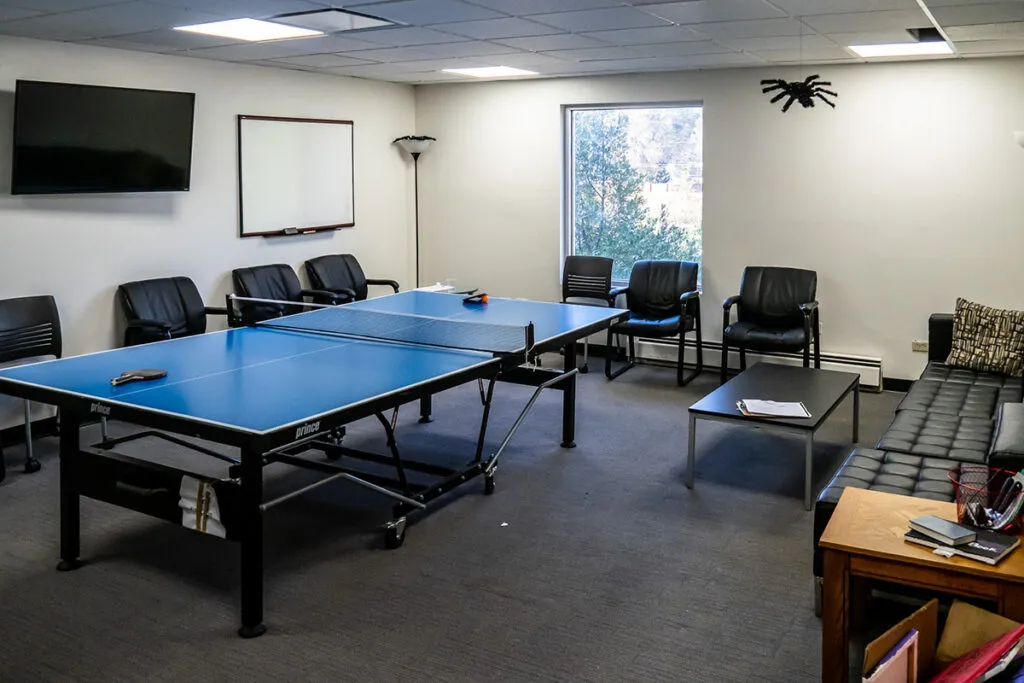
Where Red Rock's PHP and IOP groups meet, a short drive from Denver.
The first question: Have you tried to stop?
Like most people with an addiction, we’ve tried to stop again and again. Many people I work with have said, “Yeah, I’ve stopped. I’ve stopped probably a thousand times, but I keep going back.”
Number two: I call it “read my lips.”
This is where you have made some kind of promise to stop, but you really weren’t able to keep your promise.
You might have said to your spouse, or your children, or your parents, or yourself, “Yeah I’ll stop doing that. I promise I won’t ever do that again.” Have you ever made a promise like this?
We wanted to create a seamless process for people who are making the most important decision of their lives, to know that they're not making that alone. We're with you every step of the way.
 Shawn HenleyCo-Founder, Chief Administrative Officer · Meet the Founders video
Number three: Have you faced consequences?
Financial, emotional, social…sometimes it’s a DUI, sometimes it’s getting caught by your partner or children. Maybe you lost a job or an opportunity. You have dealt with a consequence of some type because of this behavior.
This was my first time getting help for my addictions. I learned a lot from group sessions and really appreciated the schedule and staff. I've taken a lot of things I've learned from base camp with me after.
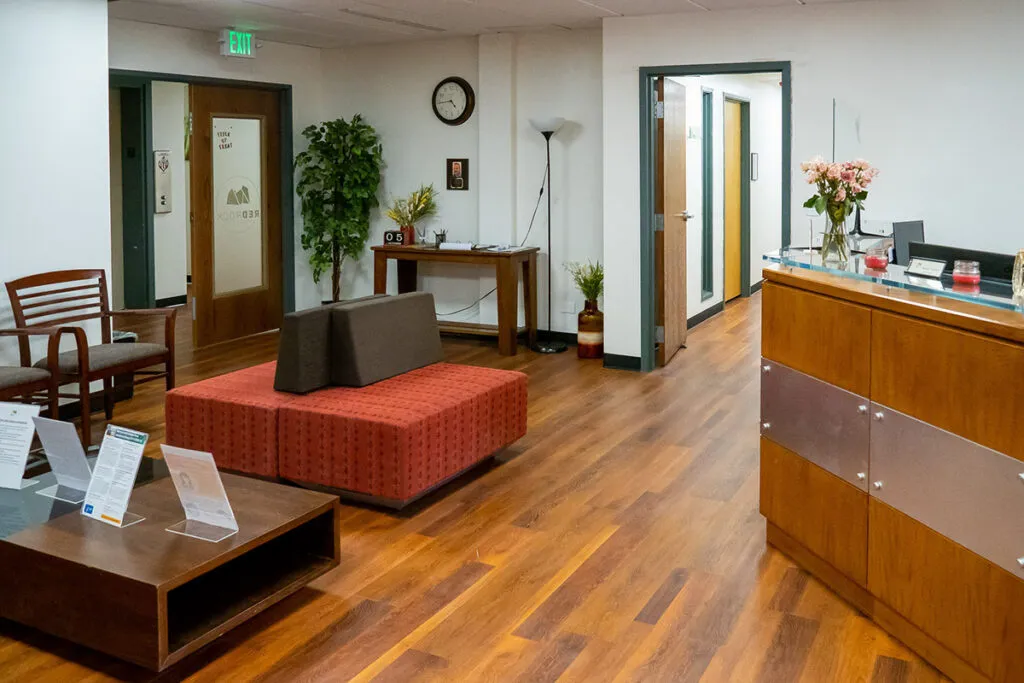 OutpatientLakewood, COIntensive outpatient (IOP) 4.7 (146 Google reviews) In network: Anthem, Cigna, Aetna, UnitedHealthcare, TRICARE9 to 12 hours a week of group and individual therapy that fits around work and family.
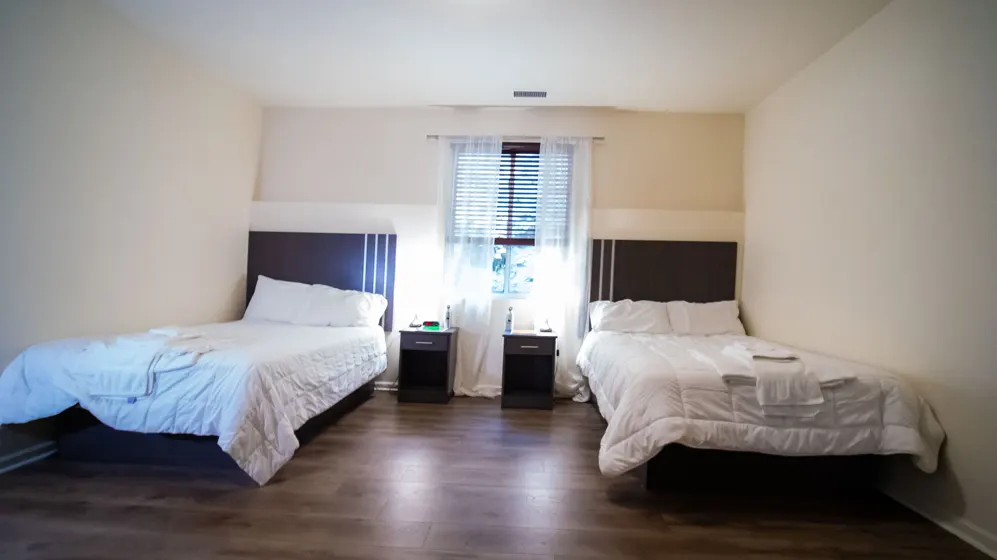 24/7 medical careMorrison, COMedical detox 4.7 (65 Google reviews) In network: Anthem, Cigna, Aetna, UnitedHealthcare, TRICAREMedically supervised withdrawal with nursing care around the clock, usually 7 to 10 days.
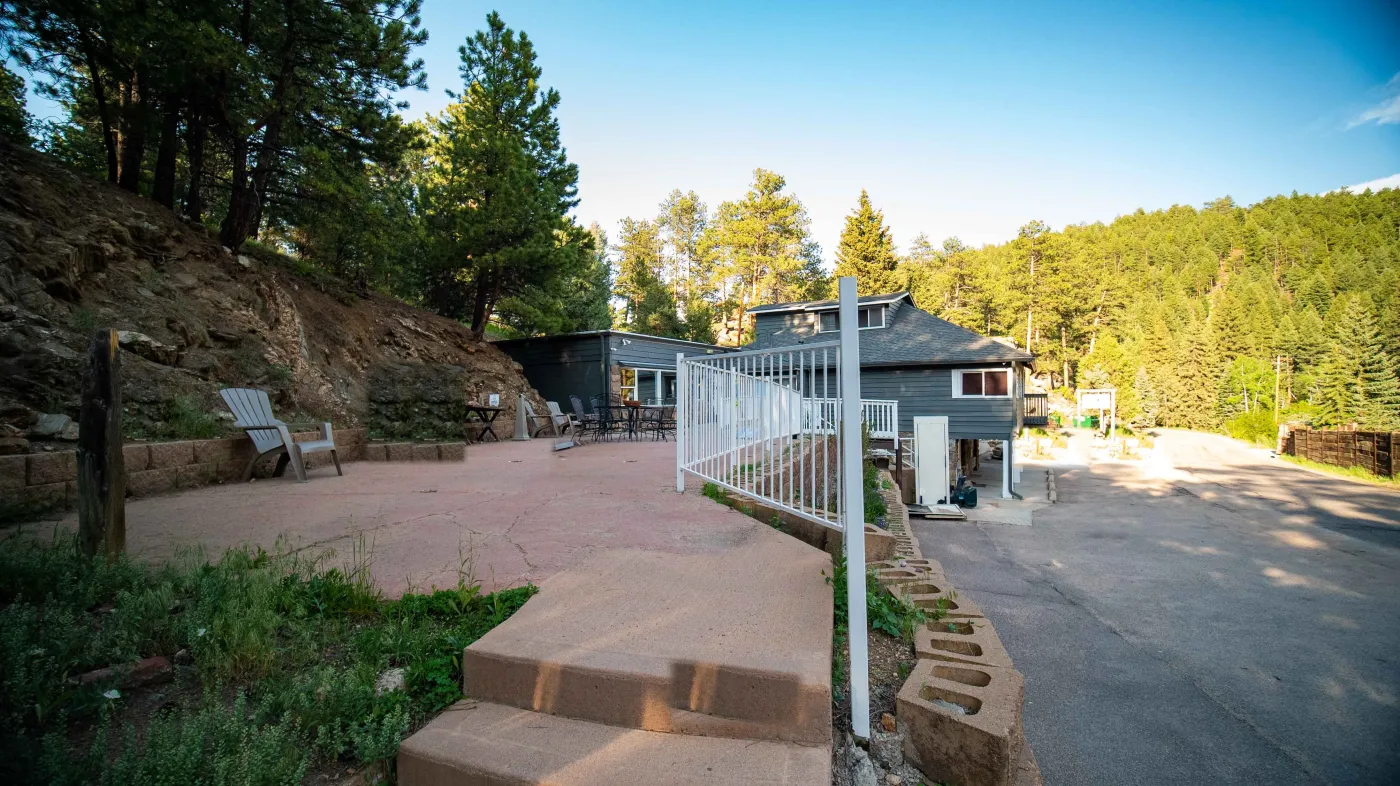 Live-in careMorrison, COResidential treatment 4.7 (65 Google reviews) In network: Anthem, Cigna, Aetna, UnitedHealthcare, TRICAREA structured, 12-step based program in the foothills, typically 2 to 4 weeks.
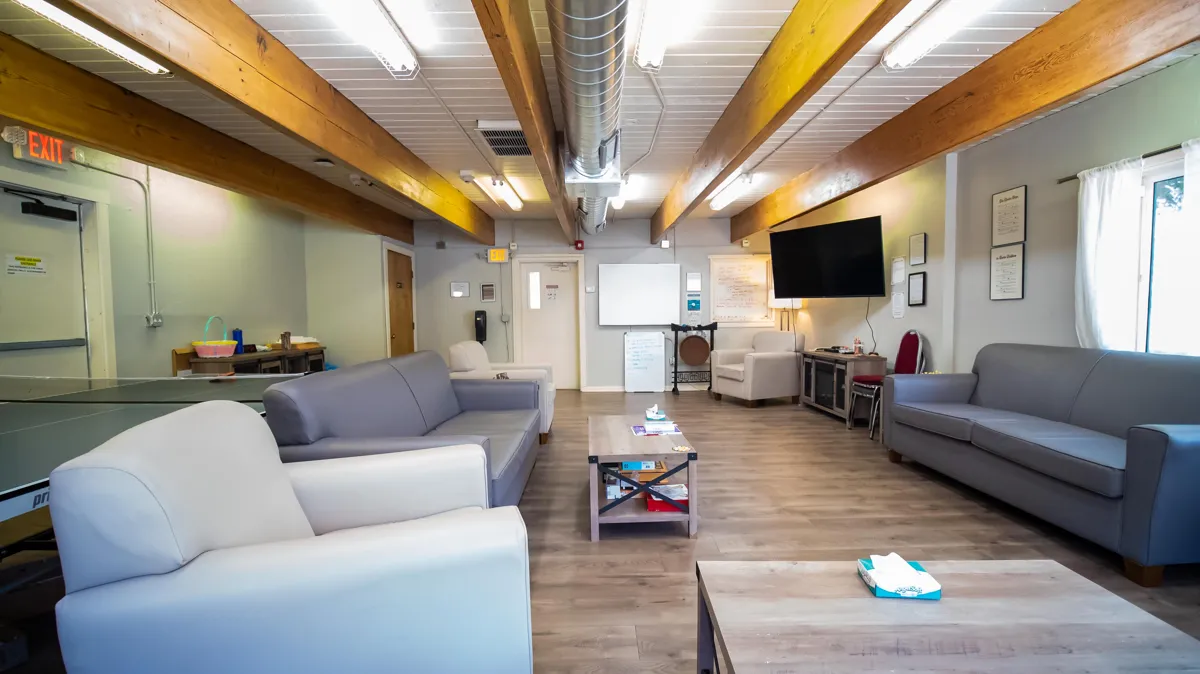 Day programLakewood, COPartial hospitalization (PHP) 4.7 (146 Google reviews) In network: Anthem, Cigna, Aetna, UnitedHealthcare, TRICAREAbout 30 hours of treatment a week over 5 days, going home or to sober living at night.
 Live onlineAnywhere in ColoradoVirtual IOP 4.7 (146 Google reviews) In network: Anthem, Cigna, Aetna, UnitedHealthcare, TRICAREThe same IOP groups and therapists, live by video, for Colorado residents.
 Recovery housingLakewood, COAscent sober living 4.7 (146 Google reviews)Men's and women's recovery homes for people in PHP, IOP or early recovery.
Number four: Have you kept using even after that consequence?
Consider whether you kept doing this behavior even though it cost you a relationship, time, money, or social status.
Number five: Do you have to do more and more to get the same result?
If it’s pornography, maybe you started off with Playboy, but now you need to get into something really obscene to get your fix, or maybe you need to act it out with real people. If you started with Budweiser, now you’re into very strong whisky.
Number six: Is it taking more of your time?
Look at how much time you have to dedicate to your addiction. You fantasize about it. You plan for it. Look at how much time you obsess over it, pursue it, engage in it, and then recover from it.
Look at the amount of time you’ve been spending recently versus the amount of time you spent when you first started. Has that time increased?
Number seven: Do you get the blues when you can’t access it?
In my field, we call it withdrawals. You get down or you get frustrated if you can’t get your hands on it.
For some of you it’s your cellphone. You’ve seen people sitting at the table with their kids and they all have their phones out, not talking to each other. Internet addiction is a real thing. Social media addiction is a real thing.
I’ve seen divorces happen because the wife was on Facebook for six or seven hours a day with people she didn’t know and she wouldn’t connect with her husband.
Number eight: Are you decreasing other activities?
Because your addiction is taking more and more time, you don’t go work out as often. You don’t spend as much time with friends.
You’re not able to take part in spiritual, social, or political activities you might normally engage in. You’ve pulled away so that you can invest more in your addiction.
What your answers mean
Look through these questions and see how many you would honestly answer, “Yes, that’s me.” If you answered yes to more than three, it’s likely that you have an addiction issue.
If you do, it’s not the end of the world. It’s just how you’re medicating. This is how you’re surviving life. But now it’s time to live life. It’s time to be free. It’s time to take charge of your life so that you’re not running around addicted.
You have to believe in yourself. I know what it’s like to be addicted. I know what it’s like to just survive life and not live it, and trust me, living life is so much better than being addicted. You can have a fantastic, fulfilling life and relationships. If you have an addiction, start the journey today to become free!
How doctors diagnose a substance use disorder
The eight questions above line up closely with the signs doctors use. For alcohol and drugs, clinicians use the DSM-5, which lists 11 criteria. The National Institute on Alcohol Abuse and Alcoholism (NIAAA) turns them into plain questions. In the past year, have you1:
- Ended up drinking or using more, or for longer, than you meant to?
- Wanted to cut down or stop more than once, or tried to, but couldn't?
- Spent a lot of time using, being sick from it, or getting over the aftereffects?
- Wanted it so badly you couldn't think of anything else (cravings)?
- Found it got in the way of home, family, work or school?
- Kept using even though it caused trouble with family or friends?
- Given up or cut back on activities you cared about so you could use?
- Got into risky situations while or after using, such as driving?
- Kept using even though it made you depressed or anxious, worsened a health problem, or caused blackouts?
- Needed much more to get the same effect (tolerance)?
- Had withdrawal symptoms when it wore off, such as shakiness, trouble sleeping, nausea, sweating or a racing heart?
Two or three of these signs in the past year suggest a mild disorder, four or five a moderate one, and six or more a severe one1. This checklist can’t diagnose you, but it can help you start an honest conversation with a doctor or counselor.
Addiction is a brain disorder, not a weakness
The first decision to drink or use is usually a choice. With continued use, though, a person’s ability to control it can become seriously impaired. That loss of self-control is the hallmark of addiction2.
The National Institute on Drug Abuse calls addiction a chronic, relapsing disorder that changes brain circuits for reward, stress and self-control. Like heart disease, it is in many cases preventable and treatable2. Needing help isn’t a moral failing. It’s a health problem with real treatment.
What to do if you think you’re addicted
If your answers worry you, here are some next steps:
- Tell someone you trust. Saying it out loud to a friend, family member or sponsor makes it real and less lonely.
- Talk to a doctor or an addiction treatment program. An assessment can tell you how serious the problem is and what level of care fits.
- Don’t quit alcohol or benzodiazepines cold turkey. Alcohol withdrawal can quickly become life-threatening3, and stopping a benzodiazepine suddenly can cause seizures4. A medical detox program can help you stop safely.
- Try a meeting. 12-step fellowships like AA and NA are free, and you can attend just to listen.
- Keep going after a setback. Many people recover, but setbacks are common1. A slip is a reason to get more support, not to give up.
If you or someone else is in danger, has a seizure, or can't be woken up, call 911. If you're having thoughts of suicide or are in a mental health crisis, call or text 988.
Original Article re-printed here with permission from SoberNation.com
Two brothers talks about getting help at Red Rock and what life in recovery looks like now.
Getting help at Red Rock Recovery Center
Red Rock Recovery Center is a family-owned addiction treatment center in Colorado for people struggling with alcohol and drug addiction. Care runs from medical detox and residential treatment in Morrison to PHP, IOP and sober living in Lakewood.
Our programming is 12-step based and combined with behavioral and life skills therapies, with individual therapy at least weekly at every level of care. If you’re asking “Am I addicted?”, our admissions team can talk it through with you and check your insurance.
This article is for general education and doesn't replace an individual medical or clinical evaluation. Everyone's situation is different; a conversation with our team is the fastest way to know what applies to you.
If you or someone you care about is in immediate danger, call 911. For a mental health crisis, call or text 988.