


Table of Contents
- Relapse is common in addiction recovery: an estimated 40 to 60% of people treated for a substance use disorder relapse, similar to rates for high blood pressure and asthma.5
- Relapse often happens in three stages, emotional, mental and then physical, so warning signs usually show up well before someone uses again.2,3
- Post-acute withdrawal, with mood swings, anxiety, low energy and poor sleep, can last up to 2 years and is a common cause of relapse.3
- In a clinical trial, mindfulness-based and cognitive-behavioral relapse prevention both lowered relapse risk compared with usual aftercare.6
- A relapse is a sign to resume, change or add treatment, not proof that recovery has failed.5
“Maybe I can just use occasionally”, or “I’ll just have one to celebrate my two years in recovery”, or “I’m worried I will turn into someone I don’t like.” This is the paradoxical language of relapse.
Chronic relapse means returning to alcohol or drug use again and again after periods of trying to stop. It is like a revolving door or a hamster wheel, where every exit leads back to the same starting point. But there are ways out, as millions have already found. And so can you, or a loved one you are trying to help.
Relapse is a common part of recovery from addiction. Studies estimate that 40 to 60% of people treated for a substance use disorder relapse, a rate similar to other chronic illnesses such as high blood pressure and asthma5. A relapse is a sign to take stock, reassess and re-engage with treatment1.
Relapses still carry a heavy cost. Many people lose jobs, families, freedom and even their lives as a result of relapses2. That is why it matters to understand why they happen, how to prevent them and how to respond when one occurs.
Relapse prevention is why most people seek treatment, because they have already tried to stop on their own. Chronic relapse in addiction is not a personal failure. It is a complex problem driven by psychological, biological and environmental factors, and it is also a chance to learn. In this article, I look at why it happens and how it can be overcome.
Brothers Daniel and Shawn Henley, both in long-term recovery, on why they started Red Rock and what recovery has given them.
Why chronic relapse happens
People often talk about having to “hit rock bottom” first. What does rock bottom mean? It describes the low point, such as a lost job, a health scare, an arrest or a broken relationship, that finally makes someone ready to change. You don’t have to wait for one: help works at any point, and for many people with chronic relapse the “bottom” keeps moving lower.
Several overlapping factors give rise to chronic relapse.
Psychological factors
Underlying trauma, unresolved emotional pain, low self-esteem and weak coping skills can all fuel chronic relapse. Hopelessness, self-sabotaging thoughts and untreated mental health conditions play a major role too.
Biological factors
Genetics, changes in brain chemistry caused by substance use, and co-occurring conditions such as depression or anxiety can all affect impulse control and mood. Together, these can make a person more vulnerable to relapse.
Environmental factors
Where and how someone lives matters. Relapse risk goes up with:
- Unstable housing
- Toxic relationships and peer pressure
- Few supportive resources
- High-stress or high-risk settings
- Living around people, places and things linked with past use (relapse triggers)
Inadequate support and planning
Staying sober is harder without a solid relapse prevention plan or a supportive social network. Untreated co-occurring mental health conditions make it harder still.
The three stages of relapse: emotional, mental and physical
There are various ways of looking at relapse. One widely used approach describes it in three stages: emotional, mental and physical2,3. The key point is that relapse usually starts weeks or even months before someone picks up a drink or a drug.
Emotional relapse
During emotional relapse, people are not thinking about using. They remember their last relapse and don’t want to repeat it. However, their emotions and behaviors are laying the groundwork for the next one.
Denial is a big part of this stage, and it can stop people from using the tools that would prevent the relapse from going further. The core of emotional relapse is poor self-care, in all its forms3. A simple reminder is the acronym HALT: hungry, angry, lonely and tired3.
Signs of emotional relapse include3:
- Bottling up emotions
- Isolation
- Not attending meetings
- Going to meetings but not sharing
- Focusing on other people’s problems
- Poor sleeping or eating habits
Mental relapse
In mental relapse, there is a tug of war inside: part of the person wants to use, and part wants to stay sober. As mental relapse goes deeper, resistance fades and the need to escape grows.
Signs of mental relapse include:
- Craving a substance
- Thinking about people, places and things linked with past use
- Exaggerating the good parts of past use
- Minimizing the consequences of past use
- Lying
- Bargaining
- Planning ways to use while still keeping control
- Looking for opportunities to use
- Planning a relapse
Physical relapse
The final stage is when a person starts using the substance again. Many physical relapses happen when the person believes their use will go unnoticed.
An initial slip, or lapse, can quickly lead to more obsessive thinking about using. That thinking often leads to a full return to uncontrolled use.
It's really important to me that people know that there's hope and that there's options for them, and that they're not doomed to a life of misery or boredom or mediocrity through sobriety.
 Daniel HenleyCo-Founder, Chief Business Officer · Meet the Founders video
The stages of recovery
A common model of recovery has three stages: abstinence, repair and growth2,3. Each stage has its own relapse risks and its own tasks.
Abstinence stage
This begins as soon as the person stops drinking or using and usually lasts 1 to 2 years3. The main concerns are coping with cravings and avoiding relapse. Risks at this stage include:
- Physical cravings
- Poor self-care
- Wanting to use just one more time
- Struggling with whether one really has an addiction
Post-acute withdrawal syndrome (PAWS) starts shortly after acute withdrawal ends and is a common cause of relapse. It can last up to 2 years3. Unlike acute withdrawal, which is mostly physical, PAWS is mostly psychological and emotional. Symptoms include3:
- Mood swings
- Anxiety and irritability
- Energy that comes and goes
- Low enthusiasm
- Trouble concentrating
- Disturbed sleep
These symptoms are expected to ease slowly over time. Knowing they are normal can stop them from turning into a reason to use.
Repair stage
This stage generally lasts 2 to 3 years. The person works to repair the damage the addiction caused, in relationships, work, health and self-esteem.
People usually feel steadily better. But once they start to face past trauma or painful events linked to their use, it is not unusual to feel worse for a while3.
Growth stage
This stage often begins 3 to 5 years after someone stops using, once much of the damage has been repaired. It is expected to last for the rest of their life.
Growth often means building skills and having experiences that were missed because of the addiction, especially if it started young. It is also the time to work through family-of-origin issues or past trauma. Later recovery carries its own relapse risks that are not often seen in the early stages, so it still needs attention.
My recovery is different than anyone else's, and Red Rock has been able to allow me to identify and seek out what I need for my recovery.
 OutpatientLakewood, COIntensive outpatient (IOP) 4.7 (146 Google reviews) In network: Anthem, Cigna, Aetna, UnitedHealthcare, TRICARE9 to 12 hours a week of group and individual therapy that fits around work and family.
 24/7 medical careMorrison, COMedical detox 4.7 (65 Google reviews) In network: Anthem, Cigna, Aetna, UnitedHealthcare, TRICAREMedically supervised withdrawal with nursing care around the clock, usually 7 to 10 days.
 Live-in careMorrison, COResidential treatment 4.7 (65 Google reviews) In network: Anthem, Cigna, Aetna, UnitedHealthcare, TRICAREA structured, 12-step based program in the foothills, typically 2 to 4 weeks.
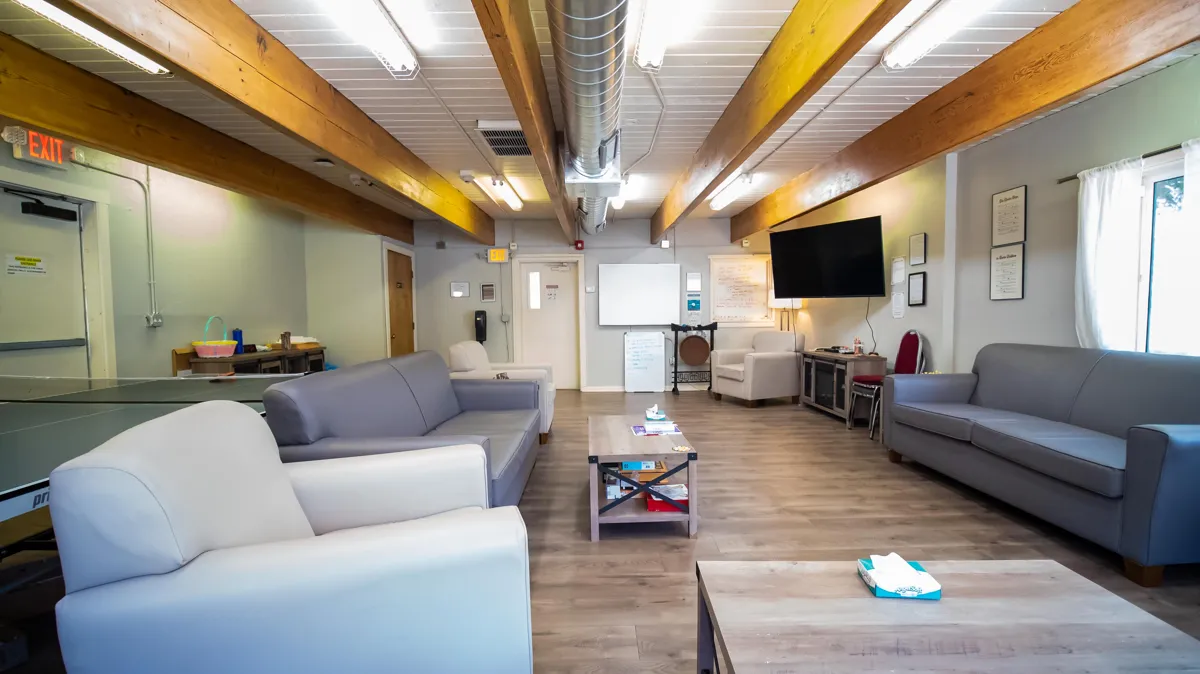 Day programLakewood, COPartial hospitalization (PHP) 4.7 (146 Google reviews) In network: Anthem, Cigna, Aetna, UnitedHealthcare, TRICAREAbout 30 hours of treatment a week over 5 days, going home or to sober living at night.
 Live onlineAnywhere in ColoradoVirtual IOP 4.7 (146 Google reviews) In network: Anthem, Cigna, Aetna, UnitedHealthcare, TRICAREThe same IOP groups and therapists, live by video, for Colorado residents.
 Recovery housingLakewood, COAscent sober living 4.7 (146 Google reviews)Men's and women's recovery homes for people in PHP, IOP or early recovery.
The five rules of recovery
Psychiatrist Steven Melemis suggests that most relapses can be explained by a few basic rules3,4:
- Change your life. Create a new life where it is easier not to use.
- Be completely honest. Secrets and small lies are early warning signs.
- Ask for help. Recovery is hard to do alone.
- Practice self-care. Look after your body, mind and emotions.
- Don’t bend the rules. Don’t look for loopholes that make room for “just one”.
Breaking the cycle: evidence-based treatments
Several treatment approaches can help break the cycle of relapse2,4.
Talk therapy
Cognitive behavioral therapy (CBT): CBT targets unhelpful thought patterns and builds healthier ways of coping. It challenges the black-and-white thinking that is common in early recovery.
Contingency management (CM): People who give a negative urine drug test receive small rewards, such as vouchers they can exchange for food or movie passes. CM often works well in the short term, but its effect can fade after the rewards stop.
Community reinforcement: This approach highlights the rewards of sobriety and reduces the pull of drinking or drug use. One version brings family and other supportive people into the recovery process. It can raise motivation to start treatment, help people stay in recovery, and improve life for everyone affected by the addiction.
Mindfulness-based relapse prevention
Structured mindfulness meditation and relaxation can reduce cravings and relapse. In a clinical trial of 286 people in aftercare, both mindfulness-based relapse prevention and cognitive-behavioral relapse prevention lowered the risk of relapse compared with usual aftercare. At 12 months, the mindfulness group reported fewer days of drug use and heavy drinking6.
Mindfulness can help because it:
- Reduces tension and stress, which are common relapse triggers
- Helps people let go of dwelling on the past or worrying about the future
- Builds the habit of noticing cravings and difficult feelings without acting on them
- Supports self-care in every area of life
Medication-assisted treatment
Medications can help stabilize the brain and reduce cravings, especially when combined with counseling. For opioid use disorder, the FDA has approved three: buprenorphine, methadone and naltrexone7.
Trauma-informed and dual diagnosis treatment
Programs that treat substance use and co-occurring mental health conditions together can help people who keep relapsing. Untreated depression, anxiety or trauma is one of the most common things pulling people back to use.
Breaking the cycle: key strategies
Build a strong support network
Mentors, recovery groups and sober friends provide accountability and encouragement.
Make a relapse prevention plan
Working with a therapist, identify your triggers and build practical plans for high-risk situations. Write down who you will call and what you will do if cravings hit.
Keep up ongoing care
For long-term recovery, aftercare, therapy and peer support are essential. Addiction is a chronic condition, and like other chronic conditions it needs ongoing management5.
Find healthy ways to cope
Exercise, hobbies, mindfulness and other positive outlets can take the place of substance use.
Make lifestyle and behavior changes
Lasting recovery depends on handling life’s challenges: repairing relationships, honest self-reflection, asking for help and keeping up self-care.
Respond quickly to a slip
If you do use again, reach out right away. Call your sponsor, therapist or doctor and talk about what happened. A relapse is a signal to resume, change or add treatment, not a reason to give up5.
After a period without opioids, tolerance drops, so using the same amount as before can cause an overdose8. If someone may be overdosing, call 911.
Zeron talks about getting help at Red Rock and what life in recovery looks like now.
Find supportive care at Red Rock Recovery
Substance use disorder, or addiction, can feel overwhelming. Red Rock Recovery Center can help you begin your recovery, guided by our core values of community, connection and purpose.
Our Colorado rehab center offers a full continuum of care for substance use disorder: medical detox, residential treatment, partial hospitalization (PHP), intensive outpatient (IOP) and sober living, plus aftercare. That means you can step down gradually, with support, instead of leaving treatment all at once.
If you have relapsed before, our team can look at what happened last time and build a plan around it. When you’re ready, we can help you and your family find healing.
- CAMH: Fundamentals of Addiction: Preventing and managing relapse
- StatPearls (NCBI Bookshelf): Addiction Relapse Prevention
- Yale Journal of Biology and Medicine (PMC): Relapse Prevention and the Five Rules of Recovery
- Addictionsandrecovery.org: Relapse Prevention Plan and Early Warning Signs
- National Institute on Drug Abuse: Treatment and Recovery
- JAMA Psychiatry (PubMed): Relative efficacy of mindfulness-based relapse prevention, standard relapse prevention, and treatment as usual for substance use disorders
- SAMHSA: Medications for Opioid Use Disorder (TIP 63)
- MedlinePlus: Opiate and opioid withdrawal
This article is for general education and doesn't replace an individual medical or clinical evaluation. Everyone's situation is different; a conversation with our team is the fastest way to know what applies to you.
If you or someone you care about is in immediate danger, call 911. For a mental health crisis, call or text 988.