
- What a day looks like
- 24/7 medical care, rest and withdrawal medication
- Where
- Morrison
- Typical length
- 1 to 1.5 weeks
- Can I work?
- Most people take leave
Addiction Treatment Near Denver: Detox Through Sober Living
One team from detox to sober living, in Morrison and Lakewood
- Step down between levels with the same team
- A phone assessment decides where you start
- In network with major insurers
Licenses and accreditations






Measured outcomes46% improvement in overall recovery after 4 weeks of treatment, compared with a 37% national average (TRAC9, 2025). See all five outcome measures.
RANKED BY NEWSWEEK · FIVE YEARS RUNNINGTop 10 in Colorado on America's Best Addiction Treatment Centers, every year since 2022
Five levels of care, step by step
Most people start where the assessment places them and step down as they get stronger, with the same team the whole way.
- STEP 1Morrison
Medical detox
Medically supervised withdrawal, monitored around the clock. Medication can ease symptoms, and planning for your next step starts right away.
1 to 1.5 weeksMedical detox - STEP 2Morrison
Residential treatment
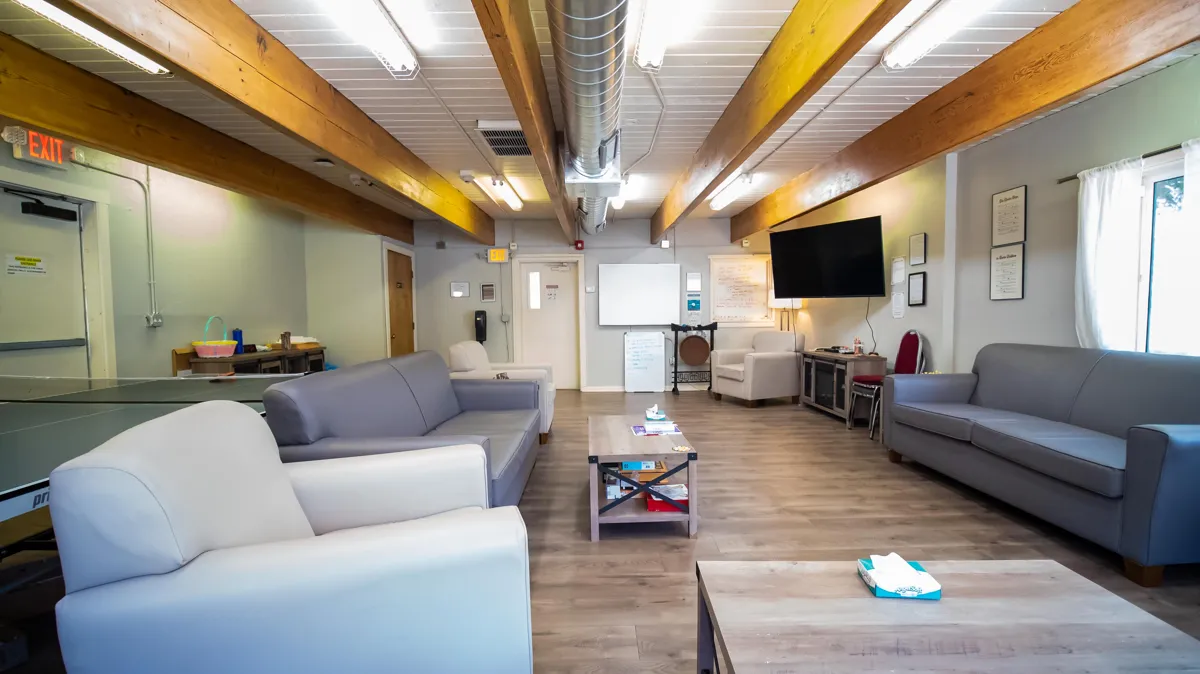
Live on our mountain campus with a daily schedule of therapy, groups and education, plus hiking, yoga and time outdoors.
2 to 4 weeksResidential treatment - STEP 3Lakewood
Partial hospitalization
Full days of treatment, 30 hours over 5 days a week, then home or Ascent sober living at night.
Variable lengthPartial hospitalization - STEP 4Lakewood or online
Intensive outpatient
The same therapy as PHP with fewer hours: 9 to 12 hours over 3 or 4 days a week, in person or through Virtual IOP.
Variable lengthIntensive outpatient - STEP 5Lakewood
Ascent sober living
Structured men's and women's townhouses for clients enrolled in our PHP or IOP, so treatment and home life support each other.
While in PHP or IOPAscent sober living
Treatment outcomes we measure
Since 2021, Red Rock has measured every client's progress with TRAC9, so we can see what's working and adjust care. Here's how our clients compare with the national average.
- Global Recovery Score46%improvement in overall recovery after 4 weeks of treatmentRed Rock 46% compared with a national average of 37%.
- Spirituality220%improvement in spirituality, a key resilience factorRed Rock 220% compared with a national average of 148%.
- Optimism78%increase in optimismRed Rock 78% compared with a national average of 53%.
- Depression47%reduction in symptoms of depressionRed Rock 47% compared with a national average of 39%.
- Quality of life76.94average quality-of-life score in recoveryRed Rock 76.94 compared with a national average of 71.8.
Source: Red Rock client outcomes measured with TRAC9, compared with TRAC9 national averages (2025; quality of life is a 0–100 score). Results describe averages across clients and aren't a promise of any one person's outcome.
Compare levels of care: residential vs outpatient
- What a day looks like
- Therapy, groups and time outdoors; you live on campus
- Where
- Morrison
- Typical length
- 2 to 4 weeks
- Can I work?
- Most people take leave
- What a day looks like
- Full treatment days, five days a week
- Where
- Lakewood
- Typical length
- Variable length
- Can I work?
- Close to a full-time schedule
- What a day looks like
- A few hours a day, three or four days a week
- Where
- Lakewood
- Typical length
- Variable length
- Can I work?
- Many people keep working
- What a day looks like
- The same IOP by secure video
- Where
- From home in Colorado
- Typical length
- Variable length
- Can I work?
- Many people keep working
- What a day looks like
- Sober housing while you attend PHP or IOP
- Where
- Lakewood
- Typical length
- While in PHP or IOP
- Can I work?
- Job search is part of it
IN RESIDENTIAL CARE YOU
- Step away from daily life for a while
- Work on recovery 24 hours a day
- Medical and clinical staff on site
IN OUTPATIENT CARE YOU
- Practice staying sober at home between sessions
- Keep up with work, school or family
- Build your support network where you live
If home life is chaotic, residential care can rebuild structure first. If work and home are steady, outpatient care lets you keep them while you learn the same tools.
How we decide your level of care
A phone assessment with admissions: about 30 minutes for detox or residential, about 60 for PHP or IOP. You start at the level you need, which is not always detox.
- Your substance useWhat you use, how much and how recently, and whether stopping could bring dangerous withdrawal.
- Your physical and mental healthMedical conditions, medications, and any depression, anxiety or trauma alongside addiction.
- Treatment you've had beforeWhat helped, what didn't, and where you are in recovery now.
- Home, work and familyHow much support you have, and what you need to keep up while in treatment.
Care that runs through every level
Dual diagnosis treatmentDepression, anxiety and other conditions treated alongside addiction, at every level of care.Dual diagnosis Trauma & PTSD treatmentTrauma-informed therapy for PTSD and addiction together.Trauma & PTSD Medication managementPsychiatric assessment and medication management on the care team.Medication management Medication-assisted treatmentMAT such as Suboxone, for clients enrolled in our programs.Medication-assisted treatment
The same therapies, fewer hours as you step down
Every level uses evidence-based therapy: individual sessions with your own therapist, groups, CBT and DBT skills, 12-step meetings, family sessions and life skills. Residential care has the most hours each day; PHP and IOP keep the same approaches with fewer hours, and time outdoors, yoga and fitness run alongside.
Therapies we useThank you, we have your details
Admissions will call you to go over your coverage, usually within minutes during admissions hours. If it's urgent, call (720) 807-9847.
INSURANCE PARTNERS










Insurance for every level of care
In network with these plans. Admissions confirms your benefits before you come in.
In network for every level of careFrom medical detox to IOP, depending on your plan.
Admissions confirms your coverage and costs before you start.
Thank you, we have your details
Admissions will call you to go over your coverage, usually within minutes during admissions hours. If it's urgent, call (720) 807-9847.
INSURANCE PARTNERS
Where each level of care happens
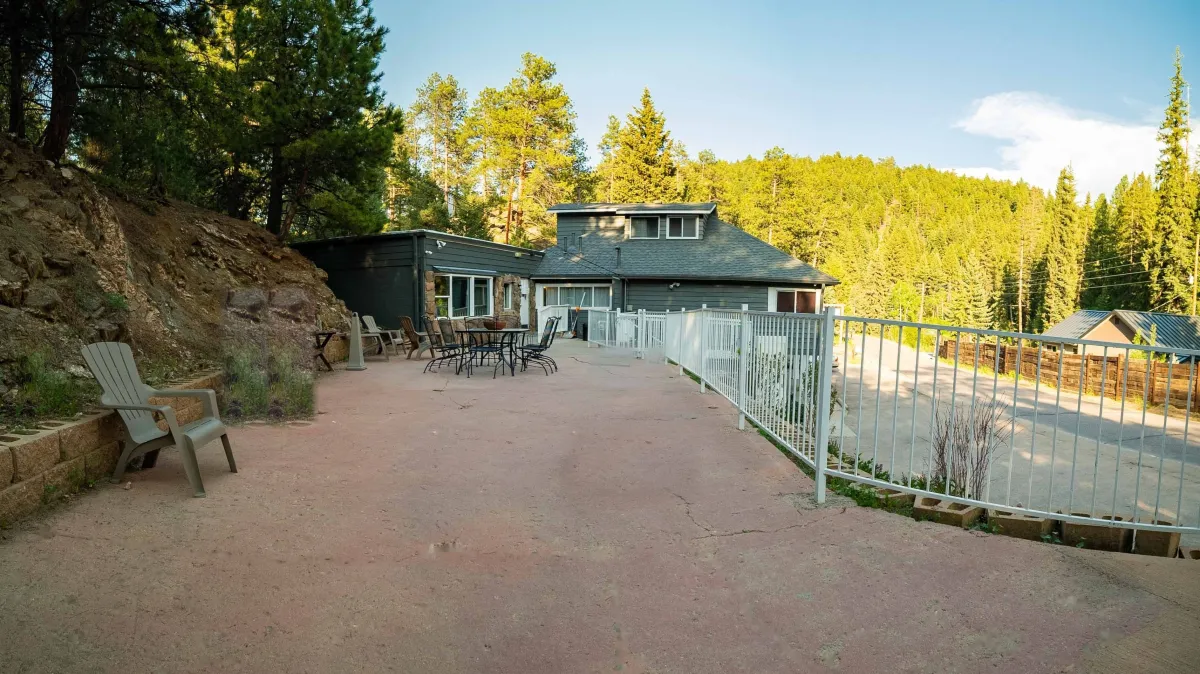
Medical detox and residential treatment are on our Morrison campus in the foothills. PHP, IOP and Ascent sober living are in Lakewood.
Detox & residentialAbout 35 min from downtown Denver
9189 S Turkey Creek Rd
Morrison, CO 80465
Medical detox and residential treatment, at our Morrison campus.
Outpatient & sober livingAbout 15 min from downtown Denver
8805 W 14th Ave #200
Lakewood, CO 80215
PHP, IOP and Ascent sober living, at our Lakewood center.
What clients and families say
I spent 33 days at base camp And was able to detox And learn about my disease and the skills I need to keep moving forward. I am currently In my 2nd month at IOP in Lakewood I love the meetings and the community It has been so helpful and I would recommend it to anybody
I've struggled a few times through the last couple years. Red Rock has been consistent and caring with my recovery. I 100% recommend anyone struggling for the care and focus they provide. Plus the after-program care is top notch
If your loved one is facing addiction, this is the place to be. The entire staff is professional and caring. My son is now in a Red Rocks sober living facility and has been drug and alcohol free for almost three weeks. He is excited about being apart of this program and is embracing his sobriety.
Bre my case worker was amazing in finding me help after treatment . The whole staff was caring and understanding during a hard time . So thankful for all them ! !
This was my first time getting help for my addictions. I learned a lot from group sessions and really appreciated the schedule and staff. I’ve taken a lot of things I’ve learned from base camp with me after. I would 100% recommend Red Rocks to anyone struggling with addiction.
I decided that I couldn’t handle my addiction on my own and contacted Red Rock Recovery Center. They changed my life. From day one, I realized I was in a place where I was genuinely being cared for, by both the staff and the other people in my group. They offer peer support groups and endless sober meetups after you graduate. You’re never left alone. You’re provided with every resource imaginable and are supported for the rest of your life. I’m beyond thankful for RRRC, for their care and for their never ending support. You’re not alone out there. Promise. There is a community out there committed to your wellbeing.
Red Rock has a solid foundation w people who actually care about others at the core of it. I’m extremely grateful to the staff and community of this place and I will always talk highly about the program and most of the therapists. 10/10 would recommend
Absolutely life changing. My kids will never have to live with a drunk mommy and I feel so in control of my own life decisions now that I’m sober. I’m so grateful that I get to live a sober life for and with my children


Questions about levels of care
Which level of care do I need?
Your phone assessment decides. If you are physically dependent on alcohol, opioids, benzodiazepines or kratom, you usually start with medical detox; others start in residential care, PHP or IOP. Admissions looks at your substance use, health, history and home support, then recommends where to begin. You can start admissions by phone or online.
What is the difference between residential and outpatient treatment?
In residential treatment you live on our Morrison campus, with care around the clock and therapy every day. In PHP and IOP you attend treatment in Lakewood and live at home or in Ascent sober living. Both use the same therapies; the difference is how much structure you need right now.
Can I start in IOP instead of detox or residential?
Yes, if the assessment shows you are medically safe and stable enough. If you are still using daily or could go into withdrawal, detox usually comes first. Intensive outpatient suits people with a steady home life who need treatment around work, school or family, and those stepping down from PHP.
How long does each level last?
Medical detox usually takes 1 to 1.5 weeks and residential treatment 2 to 4 weeks. PHP and IOP are variable length after that. Your clinical team sets the pace from your progress, not a fixed calendar, and lengths vary with your needs and insurance. Read more on how long rehab lasts.
What comes after residential treatment?
Most clients step down to partial hospitalization in Lakewood, then to IOP, and many live at Ascent sober living while they do. Your therapist builds the discharge plan with you before you leave residential care, so you know the next step, the schedule and where you will live.
Can I keep working during treatment?
IOP is built around a work schedule: 9 to 12 hours over 3 or 4 days a week. PHP is closer to full time, and during detox and residential care you stay on campus, so many people use FMLA or short-term disability for those weeks. Read about treatment and your job.
Does insurance cover every level?
It depends on your plan. We are in network with Anthem Blue Cross Blue Shield, Cigna, Aetna, UnitedHealthcare, Optum, UMR and TRICARE. Admissions checks which levels your plan covers before you come in. See the insurance we accept.
Do you treat mental health alongside addiction?
Yes, at every level of care, with psychiatric care on the team. Depression, anxiety, trauma and other co-occurring conditions are part of your treatment plan, not handled separately. If mental health is the main concern rather than substance use, admissions will point you to the right program. Read about dual diagnosis treatment.
Is there a virtual option?
Yes. Virtual IOP delivers the same group therapy, individual sessions and clinical support as our in-person IOP, through a secure, HIPAA-compliant video platform. It suits people anywhere in Colorado who can't reach Lakewood in person or need more flexibility. Admissions confirms during your assessment whether it fits your needs.
What support is there after I finish?
Aftercare planning starts before discharge: your therapist builds a relapse prevention plan with you and connects you with ongoing support groups and therapy. After you finish, you stay connected through our alumni program, with meetings, events and activities that keep going long after treatment. See aftercare and alumni.