
Addiction Therapy in Denver, Colorado
Evidence-based and hands-on therapies, at every level of care
- Your own therapist, plus daily groups
- CBT, DBT and ACT from licensed clinicians
- Time outdoors as part of treatment
Licenses and accreditations






Measured outcomes46% improvement in overall recovery after 4 weeks of treatment, compared with a 37% national average (TRAC9, 2025). See all five outcome measures.
Addiction therapy is part of your program
Our therapies aren't separate appointments. They're built into every one of our levels of care, from medical detox and residential treatment to PHP and IOP, so medical care and talk therapy work together in one plan.
Substance use isn't only physical. A use here or there becomes regular social use, then a habit, long before physical dependence sets in, and the mental side can be just as important to treat as withdrawal. For some people, using is a way to unwind or escape; for others, a way to feel excitement or calm. Therapy helps you look at those patterns honestly and change the thinking that keeps them going.
Therapy with your therapist, your peers and your family
Individual counseling is one of the most common approaches to substance use therapy: your counselor helps you bring to light the thought patterns and mistaken beliefs behind using. Groups and family sessions build on that work.
Evidence-based addiction treatment
Three approaches shape most of the work in individual and group sessions. Your therapist explains each one and why it fits what you're working on.
Support and skills for life after treatment
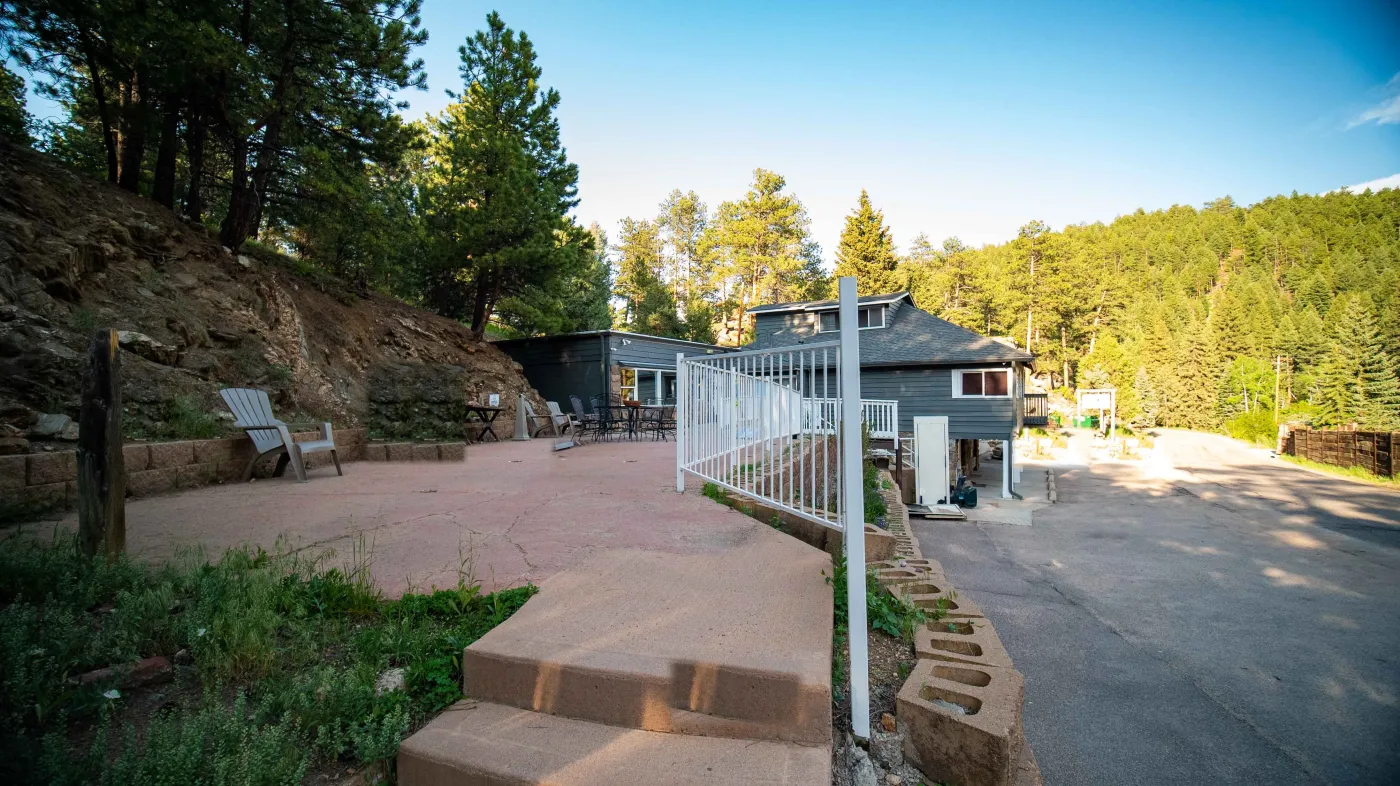
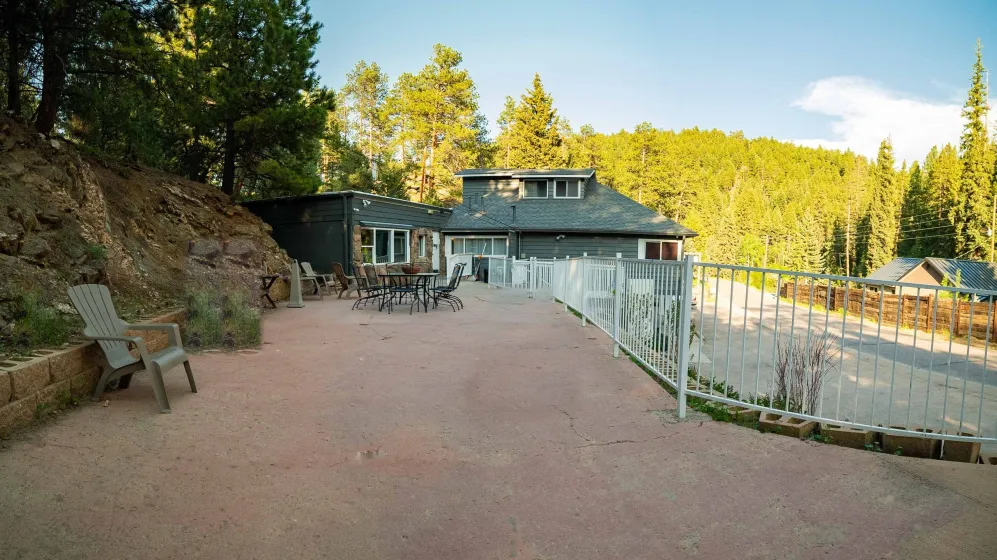
Time outdoors is part of treatment
Outdoor and holistic activities give you new ways to relate to yourself and the world around you without substances. They run alongside therapy every week.
- Alumni-built nature trail
- Gardens
- Trail walks, gardens and yoga
- Yoga and mindfulness
- Fitness center and basketball court
Trauma-informed care in every therapy
Whatever sits underneath your substance use is part of the plan, not handled somewhere else.
Quitting "cold turkey" on your own is hard, even with something like nicotine. At Red Rock, a whole recovery community has your back from the moment you walk in: counselors, medical staff, people in recovery and local community members. The relationships you build here can last a lifetime, and they're still there if temptation comes back.
Admissions will call you to go over your coverage, usually within minutes during admissions hours. If it's urgent, call (720) 807-9847.










Insurance for addiction therapy
In network with these plans. Admissions confirms your benefits before you come in.
Admissions will call you to go over your coverage, usually within minutes during admissions hours. If it's urgent, call (720) 807-9847.
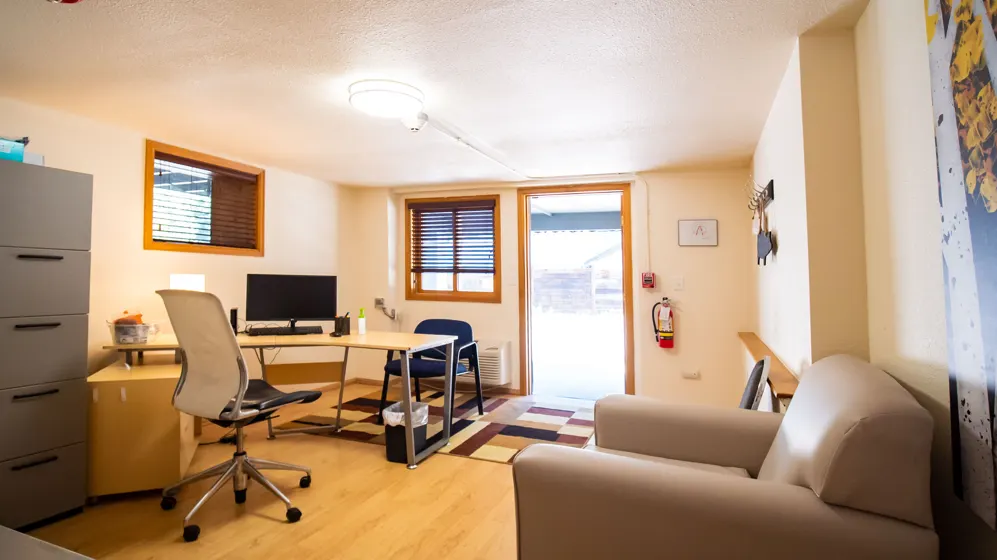
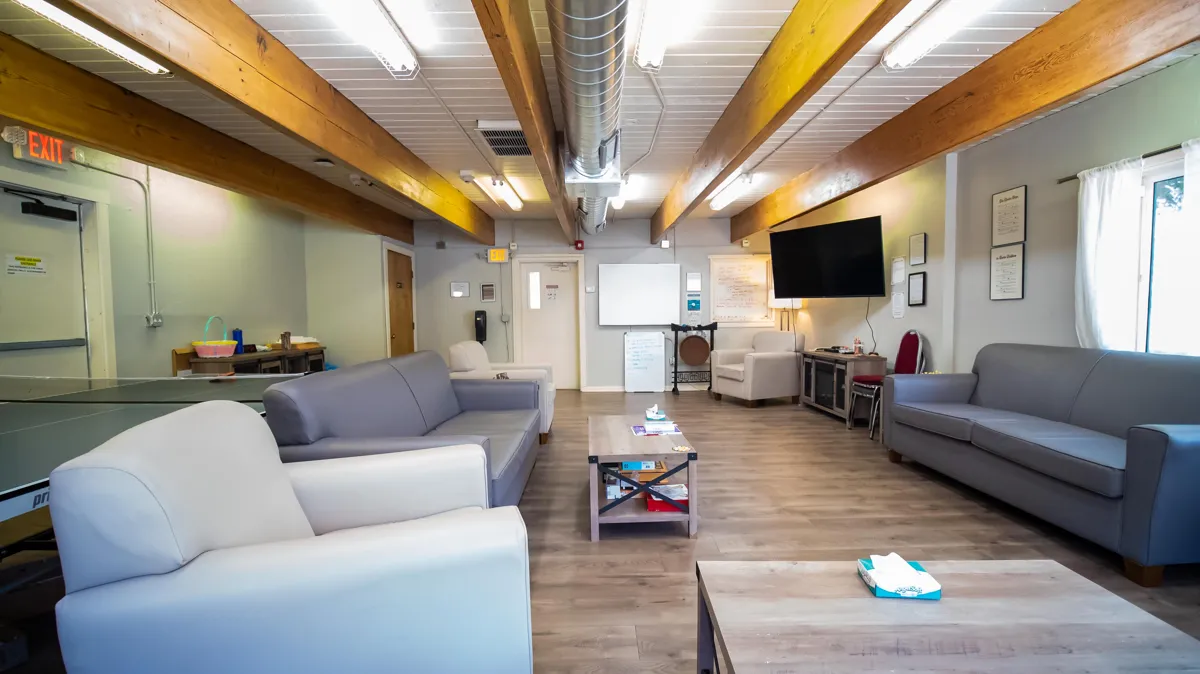
Where therapy happens
Residential treatment, with its daily therapy, is on our Morrison campus in the foothills. PHP and IOP therapy happen at our Lakewood center.
9189 S Turkey Creek Rd
Morrison, CO 80465
Medical detox and residential treatment, at our Morrison campus.
8805 W 14th Ave #200
Lakewood, CO 80215
PHP, IOP and Ascent sober living, at our Lakewood center.
What clients and families say
I spent 33 days at base camp And was able to detox And learn about my disease and the skills I need to keep moving forward. I am currently In my 2nd month at IOP in Lakewood I love the meetings and the community It has been so helpful and I would recommend it to anybody
I've struggled a few times through the last couple years. Red Rock has been consistent and caring with my recovery. I 100% recommend anyone struggling for the care and focus they provide. Plus the after-program care is top notch
If your loved one is facing addiction, this is the place to be. The entire staff is professional and caring. My son is now in a Red Rocks sober living facility and has been drug and alcohol free for almost three weeks. He is excited about being apart of this program and is embracing his sobriety.
Bre my case worker was amazing in finding me help after treatment . The whole staff was caring and understanding during a hard time . So thankful for all them ! !
This was my first time getting help for my addictions. I learned a lot from group sessions and really appreciated the schedule and staff. I’ve taken a lot of things I’ve learned from base camp with me after. I would 100% recommend Red Rocks to anyone struggling with addiction.
I decided that I couldn’t handle my addiction on my own and contacted Red Rock Recovery Center. They changed my life. From day one, I realized I was in a place where I was genuinely being cared for, by both the staff and the other people in my group. They offer peer support groups and endless sober meetups after you graduate. You’re never left alone. You’re provided with every resource imaginable and are supported for the rest of your life. I’m beyond thankful for RRRC, for their care and for their never ending support. You’re not alone out there. Promise. There is a community out there committed to your wellbeing.
Red Rock has a solid foundation w people who actually care about others at the core of it. I’m extremely grateful to the staff and community of this place and I will always talk highly about the program and most of the therapists. 10/10 would recommend
Absolutely life changing. My kids will never have to live with a drunk mommy and I feel so in control of my own life decisions now that I’m sober. I’m so grateful that I get to live a sober life for and with my children
Questions about addiction therapy
What therapies do you use?
Individual, group and family therapy, CBT, DBT and ACT, 12-step support, life skills, and outdoor and holistic activities such as hiking and yoga. Your clinician builds the mix around you and your goals. You can see each one in the therapies on this page, and how they fit our levels of care.
Will I have my own therapist?
Yes. Every client has a primary therapist for one-on-one sessions throughout their time with us, working on the patterns behind substance use and on the plan for what comes next. How often you meet depends on your level of care. Read more about individual therapy at Red Rock.
Are your therapies evidence-based?
Yes. Our core therapies include cognitive behavioral therapy, dialectical behavior therapy and acceptance and commitment therapy, used alongside group and family work. Your therapist explains each approach and why it fits what you're working on. Start with cognitive behavioral therapy, the approach most clients use first.
Can my family take part?
Yes. Family sessions with your therapist help your loved ones understand addiction, repair trust and plan for life after treatment together. Relatives can also get guidance on how to support you. Read about family therapy, or share our page for families.
Do you offer EMDR?
No, we don't offer EMDR. Our trauma work uses other evidence-based approaches, mainly CBT, DBT and ACT, in individual and group therapy. If EMDR matters to you, ask admissions on your first call so they can talk through your options honestly. Read about our trauma and PTSD treatment.
Do you offer therapy on its own, without a program?
No. Our therapies are part of a treatment program: medical detox, residential treatment, PHP or IOP. If you're looking for weekly sessions on their own, admissions can tell you honestly whether one of our programs fits, or help you find another option. Compare our levels of care.
What is a typical day like?
Mornings and afternoons mix groups, individual sessions and activities, with time outdoors most days. Evenings include meetings and free time. The exact schedule depends on your level of care and is set with your therapist. Our what to expect page walks through your first days.
Do you help with mental health too?
Yes, alongside addiction. Depression, anxiety, trauma and other co-occurring conditions are part of your plan, with psychiatric care on the team for evaluation and medication. If mental health is the main concern rather than substance use, admissions will point you to the right program. Read about dual diagnosis treatment.
Can I spend time outdoors?
Yes. Our Morrison campus has an alumni-built nature trail, gardens, yoga and a fitness center. Time outside is part of treatment, not a break from it. See our holistic and outdoor therapies for what's on offer at each level.
Is therapy covered by insurance?
Therapy is part of your level of care, so coverage follows that level under your plan rather than being billed per session. UnitedHealthcare, Optum and UMR plans cover every level of care here. Admissions verifies your benefits before you start, or use the form on this page. See the insurance we accept.