
Residential Treatment Center Near Denver, Colorado
A small, co-ed inpatient program on our Morrison campus in the foothills west of Denver, with care around the clock
- Small groups and a plan built for you
- A nature trail, gardens and time outdoors
- Usually 2 to 4 weeks, based on progress
Admissions will call you to go over your coverage, usually within minutes during admissions hours. If it's urgent, call (720) 807-9847.
Licenses and accreditations





Measured outcomes46% improvement in overall recovery after 4 weeks of treatment, compared with a 37% national average (TRAC9, 2025). See all five outcome measures.
A small campus in the foothills west of Denver
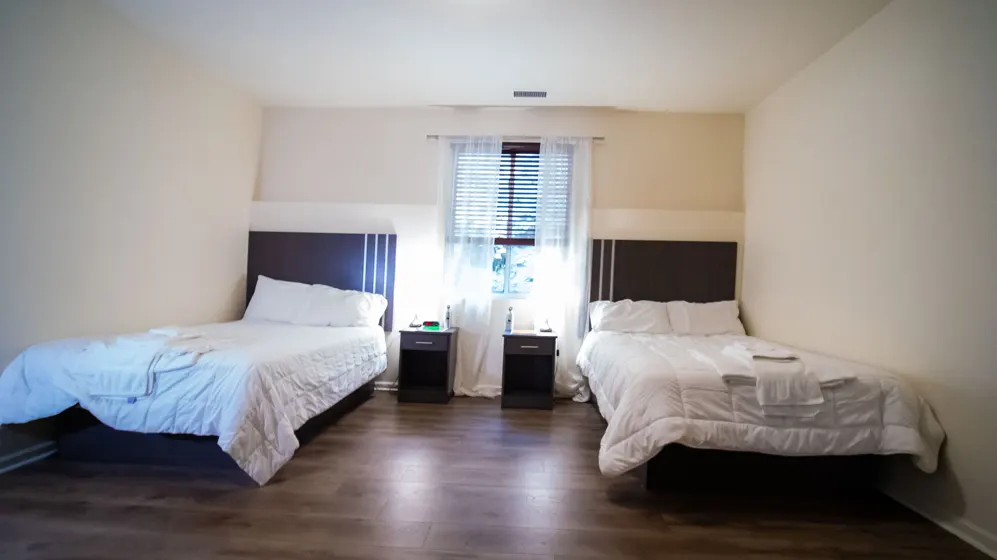
Real photos of our private 7-acre Morrison campus, about 35 minutes from downtown Denver. Rooms are shared with one other client of the same sex, and there are no TVs in rooms. Time outside is part of treatment; see our holistic and outdoor therapies.

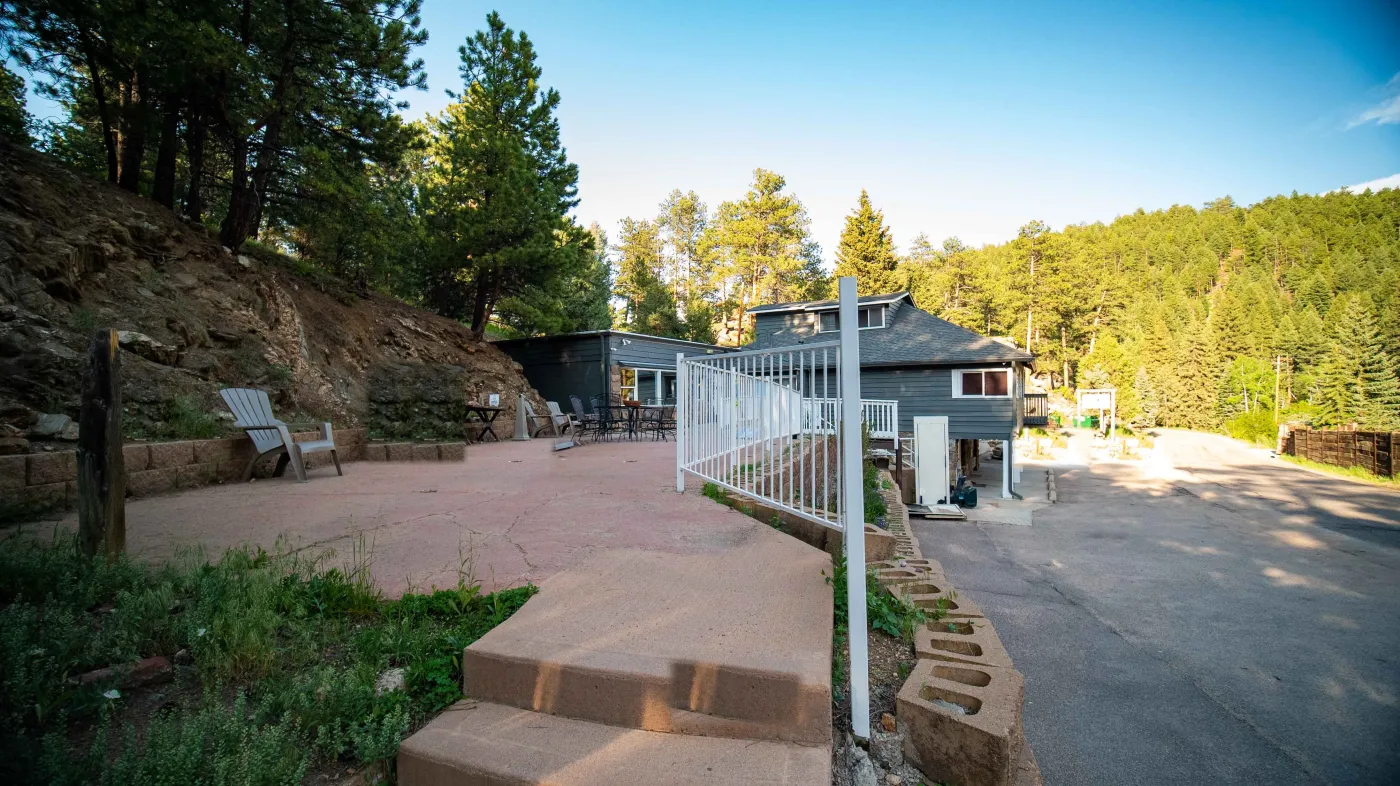



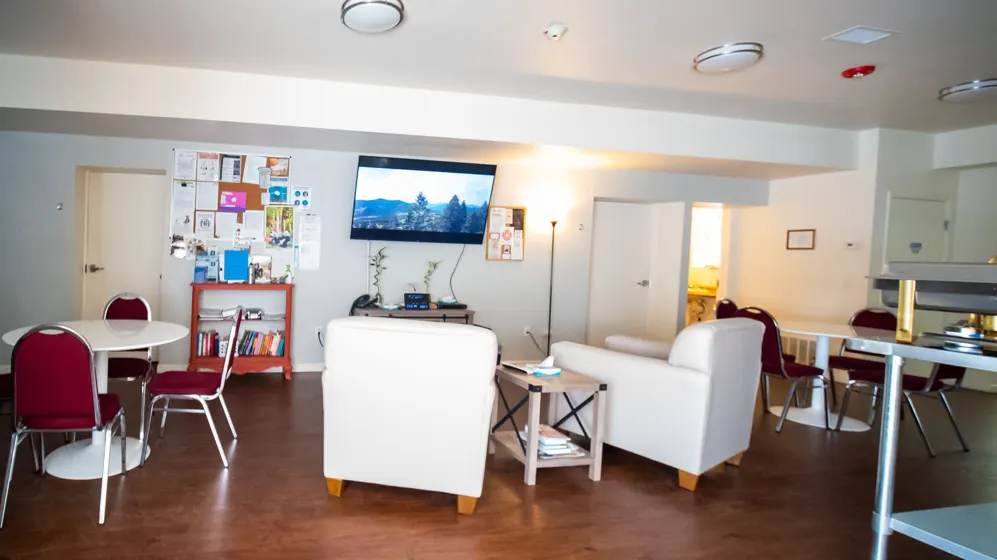

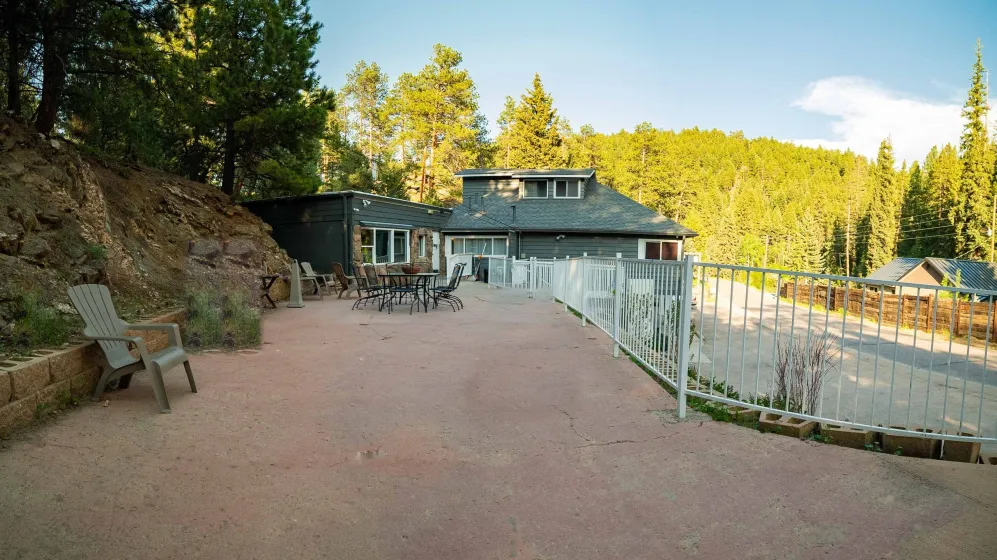

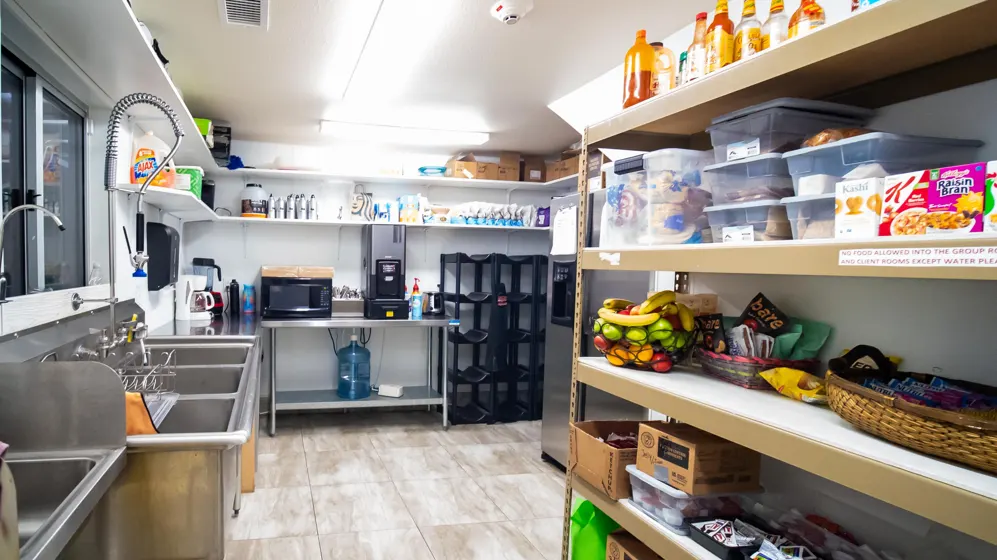
- Alumni-built nature trail
- Gardens
- Trail walks, gardens and yoga
- Yoga and fitness center
- Basketball court
- No TVs in rooms
What is a residential treatment center, and why choose one near Denver?
Addiction is never easy to deal with. This chronic illness can affect your career, education, family, finances and overall health. At a residential treatment center in Colorado, you can take the first step toward healing from addiction, restoring your mental health and rebuilding your life.
For people in Denver, our residential program is close to home, yet far enough from the city to step away from daily triggers. Our campus sits among the pines near Morrison, about 35 minutes from downtown Denver, and admissions can help arrange transport from anywhere in the Denver metro.
- DETOX-FOCUSEDMedical detoxSome treatment centers focus mainly on medical supervision while your body clears substances.Medical detox
- INPATIENTTHIS PAGEResidential treatmentYou stay on site day and night in a structured, supportive setting, away from the people, places and routines tied to using. Therapy, group support and counseling fill the day: a more intensive course of treatment for your overall wellness.
- OUTPATIENTPHP and IOPTreatment by day, home at night. Some people choose outpatient care for the flexibility it gives around school, work or family.Outpatient programs
Most rehabs are either inpatient or outpatient, and the right one depends on your needs and the level of care you require. At Red Rock, residential treatment happens on our Morrison campus, with therapy every day and staff on site around the clock.
- Co-ed groups; bedrooms shared only with the same sex
- LGBTQ+ and neurodivergent clients
- Pregnant women up to about 16 weeks, after medical review
- Adults 18 to 65+, including people traveling to Colorado
Treatment outcomes we measure
Since 2021, Red Rock has measured every client's progress with TRAC9, so we can see what's working and adjust care. Here's how our clients compare with the national average.
- Global Recovery Score46%improvement in overall recovery after 4 weeks of treatmentRed Rock 46% compared with a national average of 37%.
- Spirituality220%improvement in spirituality, a key resilience factorRed Rock 220% compared with a national average of 148%.
- Optimism78%increase in optimismRed Rock 78% compared with a national average of 53%.
- Depression47%reduction in symptoms of depressionRed Rock 47% compared with a national average of 39%.
- Quality of life76.94average quality-of-life score in recoveryRed Rock 76.94 compared with a national average of 71.8.
Source: Red Rock client outcomes measured with TRAC9, compared with TRAC9 national averages (2025; quality of life is a 0–100 score). Results describe averages across clients and aren't a promise of any one person's outcome.
What a day looks like
A sample day. Your schedule is set with your therapist, and every day has time to move and be outside.
- MorningBreakfast and morning groupThe day starts together, with a check-in and a skills or process group.
- Late morningTherapy groupsRelapse prevention, coping skills and education, in small groups. Group therapy
- AfternoonIndividual therapy and check-insWeekly one-on-one sessions with your therapist, plus psychiatric and medical check-ins. Individual therapy
- Late afternoonOutdoor timeThe nature trail, gardens, hiking, yoga, the gym or the basketball court.
- EveningDinner and meetingsMeals together, then evening AA/NA meetings on site. 12-step meetings
- Groups
- Individual therapy
- Outdoors
- Meetings
What types of programs are available?
Every residential treatment center is different, so the treatments vary. Some focus on the basics: individual therapy, group therapy and family therapy. Others add outdoor and experiential programs. At Red Rock, every stay includes:
With outdoor and experiential programs, you get outside for hikes and time on the trail as you work through treatment. Yoga and art therapy help you rediscover who you are without substances, and life skills work helps you rebuild your career and goals after treatment.
During intake, an addiction specialist asks about your substance use history, medical needs and any mental health conditions. That evaluation shapes which addiction and mental health treatment options are best for you, from medication-assisted treatment to help with interviewing or building a resume.
After residential, step down
Most clients move on to PHP and then IOP in Lakewood, many living at Ascent sober living while they do. Planning for aftercare starts before you leave.
- Medical detoxMorrison
- ResidentialMorrisonYOU ARE HERE
- PHPLakewood
- IOPLakewood or online
- Ascent sober livingLakewood
Many people choose residential treatment because they want intensive, focused care. For people who are that committed, structured sober living is another option to consider after residential.
A sober living program offers gender-specific housing and a 12-step environment for ongoing recovery. It helps you move from inpatient rehab back to everyday life while you find work, find a sponsor and become part of the community. Ours is Ascent sober living in Lakewood.
Getting admitted to residential treatment in Colorado
Choosing a rehab can feel daunting. Our admissions team is here to support you through it, whether you or your loved one comes to Red Rock or is referred to another program, and the whole process can be done over the phone.
Our 3-step admissions process, in detail
- STEP 1Initial phone call
The first call is crucial. This is when you or your loved one can talk confidentially with a trusted professional whose job is to educate, guide and care for you. On this call we explain our program offerings and which ones may best suit your situation.
- STEP 2Pre-qualification and assessment
Once you decide Red Rock Recovery Center is the program you or your loved one wants to pursue, we make sure the person qualifies for our care. First, through a series of phone interviews and assessments, we check whether we can meet your clinical and medical needs. Every person is different, and we offer an array of service lines to meet each person where they are. If someone is outside our scope of practice, we refer them to a program where they may be better suited.
Second, our admissions team collects and verifies the insurance policy and explains the costs you'll be responsible for. Red Rock Recovery Center is an in-network provider, so we can accept many common insurance plans, making rehab more affordable and accessible.
- STEP 3Scheduling intake
Once we've answered your questions about what to expect and explained the program details, the last step is scheduling the day and time of intake. Once intake is scheduled, we can also help with transportation within a reasonable distance of our locations.
Admissions will call you to go over your coverage, usually within minutes during admissions hours. If it's urgent, call (720) 807-9847.










Insurance for residential treatment
In network with these plans. Admissions confirms your benefits before you come in.
Admissions will call you to go over your coverage, usually within minutes during admissions hours. If it's urgent, call (720) 807-9847.
Residential treatment near Denver at our Morrison campus
9189 S Turkey Creek Rd
Morrison, CO 80465
Medical detox and residential treatment, at our Morrison campus.
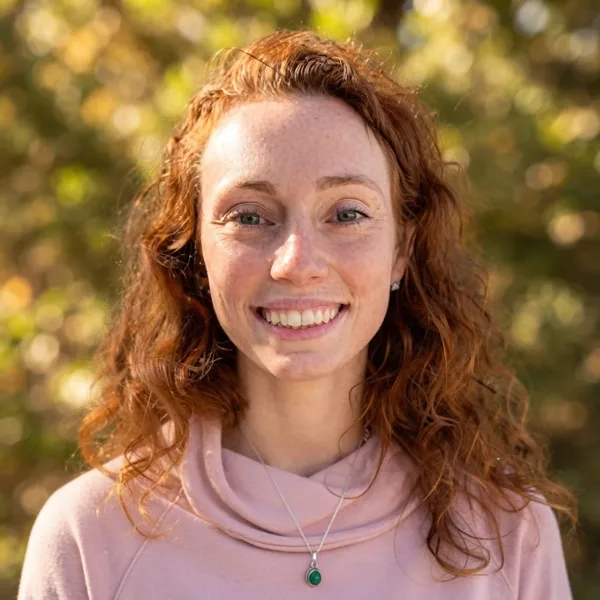

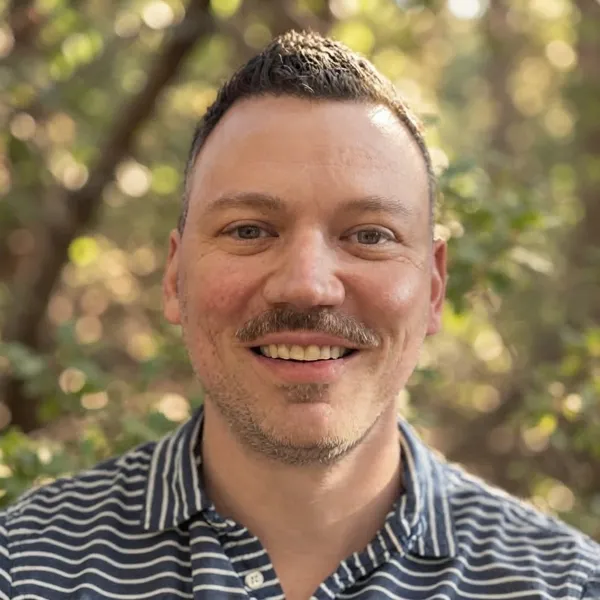
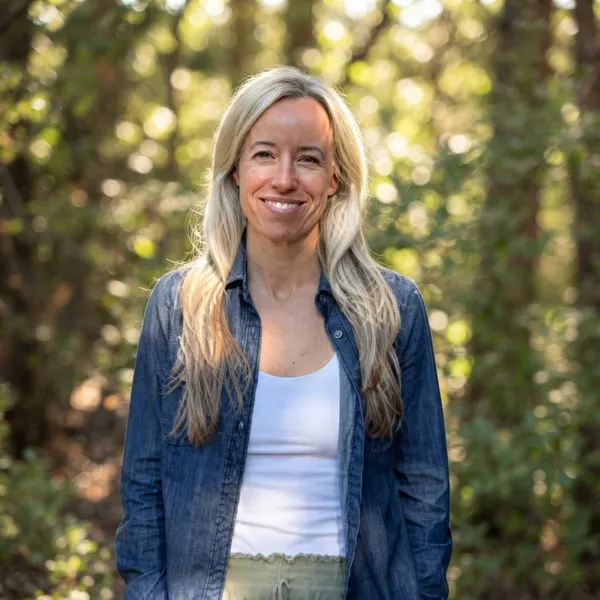
What clients and families say
I spent 33 days at base camp And was able to detox And learn about my disease and the skills I need to keep moving forward. I am currently In my 2nd month at IOP in Lakewood I love the meetings and the community It has been so helpful and I would recommend it to anybody
I've struggled a few times through the last couple years. Red Rock has been consistent and caring with my recovery. I 100% recommend anyone struggling for the care and focus they provide. Plus the after-program care is top notch
If your loved one is facing addiction, this is the place to be. The entire staff is professional and caring. My son is now in a Red Rocks sober living facility and has been drug and alcohol free for almost three weeks. He is excited about being apart of this program and is embracing his sobriety.
Bre my case worker was amazing in finding me help after treatment . The whole staff was caring and understanding during a hard time . So thankful for all them ! !
This was my first time getting help for my addictions. I learned a lot from group sessions and really appreciated the schedule and staff. I’ve taken a lot of things I’ve learned from base camp with me after. I would 100% recommend Red Rocks to anyone struggling with addiction.
I decided that I couldn’t handle my addiction on my own and contacted Red Rock Recovery Center. They changed my life. From day one, I realized I was in a place where I was genuinely being cared for, by both the staff and the other people in my group. They offer peer support groups and endless sober meetups after you graduate. You’re never left alone. You’re provided with every resource imaginable and are supported for the rest of your life. I’m beyond thankful for RRRC, for their care and for their never ending support. You’re not alone out there. Promise. There is a community out there committed to your wellbeing.
Red Rock has a solid foundation w people who actually care about others at the core of it. I’m extremely grateful to the staff and community of this place and I will always talk highly about the program and most of the therapists. 10/10 would recommend
Absolutely life changing. My kids will never have to live with a drunk mommy and I feel so in control of my own life decisions now that I’m sober. I’m so grateful that I get to live a sober life for and with my children
Questions about residential treatment
You don't have to deal with addiction alone. A strong recovery community can help you take the next step and take control of your recovery. If you're struggling with substance use or a mental health problem, call our team today.
How long is residential treatment?
Most residential stays run about 2 to 4 weeks. The length is based on your progress, not a fixed date: your therapist and the clinical team review how you're doing each week and plan the step down to PHP when you're ready. Insurance can also shape the length. Read more on how long rehab lasts.
Is the program co-ed?
Yes. Groups, meals and common areas are co-ed, and bedrooms are shared only with clients of the same sex. We don't run separate men's or women's programs, so if you're looking for one, admissions can talk through your options honestly. See who we help for more on who our programs serve.
Can I have my phone?
Phone use is limited for the first few days so you can settle in, then phones are allowed at set times. Laptops are not allowed in residential care, which keeps the focus on treatment and the people around you. Admissions explains the current policy before you arrive; our what to expect page covers daily life.
Can I smoke or vape?
Smoking is not allowed on campus. Sealed disposable vapes and nicotine pouches are allowed, so you don't have to quit nicotine and everything else in the same week. If you have questions about what you can bring, ask admissions on your first call, or read what to expect during your stay.
Does Medicaid cover residential treatment?
Health First Colorado (Medicaid) can cover our medical detox and our outpatient programs, PHP and IOP, but it does not cover our residential program. If you have Medicaid, our team can help you find a residential program that accepts it, and you can return to us for outpatient care. See our insurance details.
Does my UnitedHealthcare or Optum plan cover residential?
Yes. UnitedHealthcare, Optum and UMR plans are in network for residential treatment and every other level of care here, subject to your benefits and prior authorization. Read about UnitedHealthcare, Optum and UMR coverage.
Do you accept pregnant women?
Yes, up to about 16 weeks of pregnancy, after a review by our medical team to make sure residential care is safe for you and your baby. Tell admissions on your first call so the review can start right away. Learn more about who we help, including the groups our programs serve.
Do I have to go to detox first?
If you're physically dependent on alcohol, opioids, benzodiazepines or kratom, yes: withdrawal needs medical care first. Medical detox and residential treatment are on the same Morrison campus, so the move from one to the other is seamless. If you're not dependent, the phone assessment may place you straight into residential.
What happens after residential?
Most clients step down to partial hospitalization in Lakewood, then to IOP, and many live at Ascent sober living while they do. Your therapist builds the discharge plan with you before you leave, so the next step, the schedule and where you'll live are set before your last day on campus.
What should I pack?
Comfortable clothes for outdoor time and the gym, toiletries, and any medications in their original bottles. Leave laptops and valuables at home. Admissions sends a full list once your admission date is set, and you can find it on our what to bring page.