

Table of Contents
- What to say to someone in denial about addiction
- Why people with addiction use denial and defenses
- When defense mechanisms need professional help
- Q&A: an interventionist explains denial and how to respond
- What research says about getting a loved one into treatment
- Taking care of yourself while you help
- Getting help at Red Rock Recovery Center
- Sources
- When someone is in denial about addiction, stay calm, describe specific things you've seen, say how you feel, and offer help instead of arguing or using labels like "addict."
- Stigmatizing words can make people less willing to seek treatment. Person-first language such as "person with a substance use disorder" avoids blame.3
- In a clinical trial, families trained in CRAFT (Community Reinforcement and Family Training) got 64% of unmotivated problem drinkers into treatment, compared with 30% for confrontational Johnson-style interventions and 13% for Al-Anon facilitation.1
- Most people with alcohol use disorder can benefit from some form of treatment, and family involvement can make a big difference.4
- Relapse rates for substance use disorders are about 40 to 60%, similar to other chronic illnesses, and relapse means treatment should be resumed or adjusted, not that it failed.5
If someone you love is in denial about addiction, what you say matters less than how you say it. Stay calm, pick a sober moment, describe specific things you’ve seen, tell them how you feel, and offer help.
Avoid arguing, lecturing or calling them an “addict.” Denial rarely breaks in one conversation, so think of each talk as planting a seed.
Denial is one of the hardest parts of loving someone with a substance use disorder. This article explains why denial happens, what to say and what to avoid, and when to bring in a professional. It includes an interview with interventionist Steve Danzig, LCSW, LADC.
Two parents in long-term recovery share what they wish they had known when their children were struggling with addiction.
What to say to someone in denial about addiction
There’s no script that works every time, but research and clinical experience point to a few principles that help.
Use person-first, non-judgmental words. The National Institute on Drug Abuse notes that feeling stigmatized can make people less willing to seek treatment. Saying “person with a substance use disorder” instead of “addict” shows that someone has a problem rather than is the problem3.
Listen more than you talk. Motivational interviewing, a counseling style first described in 1983 in the context of alcohol problems, uses open-ended questions and empathy rather than confrontation2. You can borrow the same approach at home.
Be specific, and speak for yourself. “I noticed you missed work twice this week, and I’m scared” is harder to argue with than “You’re always drunk.”
- "I care about you, and I'm worried."
- "I noticed [a specific event], and it scared me."
- "What do you think about your drinking lately?"
- "I'll help you look into options whenever you're ready."
- "You're right that things have been hard for you."
- Labels like "addict," "junkie" or "drunk"
- Talking when they're high, drunk or hungover
- Threats you won't follow through on
- Long lectures or lists of past mistakes
- Trying to win the argument
Call 911 if someone may be overdosing, is unresponsive or is in danger. If they're talking about suicide, call or text 988. Free, confidential treatment referrals are also available 24/7 from the SAMHSA National Helpline at 1-800-662-4357.
Why people with addiction use denial and defenses
Addiction is a chronic and progressive disease. When someone’s drinking or drug use becomes a problem, friends and family may be faced with a great deal of confusion and frustration, and they may not know what to do.
It’s hard to help someone who may not want help at all. The person with the problem often doesn’t see that there is one. Even a simple heart-to-heart can feel like an attack to them. So how can you get beyond the walls of defense?
We wanted to create a seamless process for people who are making the most important decision of their lives, to know that they're not making that alone. We're with you every step of the way.
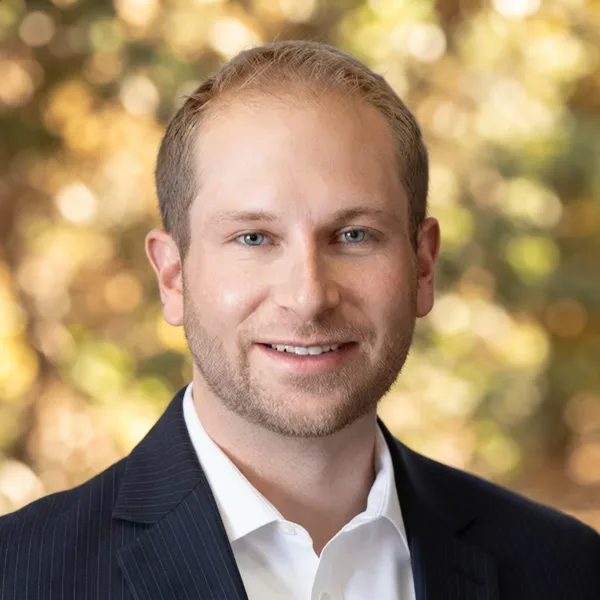 Shawn HenleyCo-Founder, Chief Administrative Officer · Meet the Founders video
When defense mechanisms need professional help
People in denial about addiction often use strong defense mechanisms and refuse to consider treatment. These defenses can require a more focused, structured approach. That is when the guidance of a professional interventionist, psychologist, licensed clinical social worker or addiction specialist can help.
To understand the process better, we spoke with a professional. Steve Danzig, LCSW, LADC, CCS, BRI-I, is a master’s-level clinical social worker, a licensed alcohol and drug counselor, a certified clinical addiction specialist and the founder of DANZIG Interventions and DANZIG Counseling Services. He has more than 20 years of experience as a clinical social worker.
This was my first time getting help for my addictions. I learned a lot from group sessions and really appreciated the schedule and staff. I've taken a lot of things I've learned from base camp with me after.
 OutpatientLakewood, COIntensive outpatient (IOP) 4.7 (146 Google reviews) In network: Anthem, Cigna, Aetna, UnitedHealthcare, TRICARE9 to 12 hours a week of group and individual therapy that fits around work and family.
 24/7 medical careMorrison, COMedical detox 4.7 (65 Google reviews) In network: Anthem, Cigna, Aetna, UnitedHealthcare, TRICAREMedically supervised withdrawal with nursing care around the clock, usually 7 to 10 days.
 Live-in careMorrison, COResidential treatment 4.7 (65 Google reviews) In network: Anthem, Cigna, Aetna, UnitedHealthcare, TRICAREA structured, 12-step based program in the foothills, typically 2 to 4 weeks.
 Day programLakewood, COPartial hospitalization (PHP) 4.7 (146 Google reviews) In network: Anthem, Cigna, Aetna, UnitedHealthcare, TRICAREAbout 30 hours of treatment a week over 5 days, going home or to sober living at night.
 Live onlineAnywhere in ColoradoVirtual IOP 4.7 (146 Google reviews) In network: Anthem, Cigna, Aetna, UnitedHealthcare, TRICAREThe same IOP groups and therapists, live by video, for Colorado residents.
 Recovery housingLakewood, COAscent sober living 4.7 (146 Google reviews)Men's and women's recovery homes for people in PHP, IOP or early recovery.
Q&A: an interventionist explains denial and how to respond
In this Q&A, Steve explains the feelings of denial that people with addiction go through and the defense mechanisms they use, so you can better understand their behavior. He also covers strategies for responding to common defenses, and when and why professional help is needed. His answers below are his own views and experience.
What is a defense mechanism?
Steve Danzig: Defense mechanisms are used by many people, often unknowingly, throughout the course of a day. They may even go unnoticed, because the person doesn’t really know they’re using them.
A defense mechanism is a way of diverting your attention away from the truth: away from feelings, hurt, trauma, addiction, infidelity, theft and so on. They can be very subtle, like a plausible excuse for why something has changed or why someone was late coming home. Or they can be verbal and physical outbursts.
The objective is the same regardless. It’s to get people to stop looking at the issues the person is facing. To hide something from you.
What are some examples of defense mechanisms people with addiction use?
Steve Danzig: When you ask your teen if they drank over the weekend and they give you a quick answer, “Really? That’s just not me,” and then change the subject right away, “I did really well on that test,” that is a defense mechanism.
People will deny that an issue exists. They project onto another person. In other words, they may blame someone else for their issue: “Well, if you didn’t… then I wouldn’t have to…”
These are common, easily identified forms of defense. There are deeper levels, too, which may point to other psychological issues.
Why do defense mechanisms surface in an intervention?
Steve Danzig: In a formal intervention, the identified patient, or “IP,” is typically someone with a problem that needs attention. But the IP either doesn’t want help or doesn’t yet recognize there is a problem. Generally speaking, an intervention goes very smoothly or it doesn’t.
Defenses surface immediately. From the moment the IP enters the room, the defense starts. If the intervention is going to be difficult, the IP will launch into a list of reasons why alcohol, drugs, food or sex is not the problem. It’s my relationship, my boss, my car, my classes.
The list goes on and on.
Somewhere in their mind they truly believe that if all these circumstances were different, they wouldn’t need chemicals to get through their day. The focus of an intervention is to help the IP understand that they may have hard situations in life, as we all do, but their response is making those issues worse and creating many more.
How do people with addiction convince themselves there’s no problem?
Steve Danzig: Someone with an addiction has mastered the art of convincing themselves that neither they nor the substance are the problem. The problem is everything else.
The brain goes through a sort of restructuring when an addiction is present. I say addiction because there is a difference between someone who is dependent on a medication and someone who has an addiction. Addiction involves undesirable behaviors: lying, stealing, legal trouble, family issues and so on.
The brain is extremely complicated.
The best way for most people to understand this process is to see it as another personality in your loved one, like Dr. Jekyll and Mr. Hyde. Once Mr. Hyde is let out, he doesn’t want to go back in. Mr. Hyde is in charge now. The job at hand is to help Dr. Jekyll reemerge.
What are good strategies for addressing denial?
Steve Danzig: Addressing denial can be difficult. But the person will always contradict themselves at some point. That is your opportunity to try to get to the truth.
I tend to avoid the “throwing it back in their face” approach. When someone has verbally backed themselves into a corner, gently ask them to clarify what they just said. Be careful, because no one likes to be backed into a corner. They will prepare for a fight.
That’s why you keep a level head and continue the discussion. Getting through denial is never a one-conversation issue. It takes time and planting seeds.
What are three of the most effective things you can say?
Steve Danzig: 1. “You’re right.” I don’t believe most people want to say this to someone with an addiction. But in that person’s mind, what they’re doing is justified. The stigma around addiction is profound, and many people treat someone with an addiction as less than human. Even parents get to this point.
Someone who is addicted is always prepared for a verbal argument. They become disarmed when they’re told, “You’re right.” It legitimizes their response to the hand they’ve been dealt. That is where change can begin.
2. “I don’t understand.” This goes along with the first. Many times people respond to their loved one by saying “I get it” or “I understand.” But the IP will tell you that you don’t understand, and to a large extent they’re correct.
Once someone has become dependent on a substance, their brain chemistry has changed, along with the way they think, act and process information. Addiction affects every area of a person’s life. Most people just don’t have the perspective to identify with something so all-encompassing.
3. “If you were in jail and had the key, wouldn’t you let yourself out?” It may seem trivial, but said at the right time, this question can be transforming. I heard it from a very wise woman many years ago. It plants a seed that they might have something to do with their current situation, and that maybe they can do something about it.
What excuses come up during a relapse, and how should families react?
Steve Danzig: If your loved one has recently come out of a treatment program, have a contract. The family should work with the counselor at the treatment center to agree on one before your loved one comes home.
When someone relapses, they will either come and admit it or start hiding again. Relapse is common, but it doesn’t have to be the outcome. The excuses will mimic much of what the family went through before recovery: coming home late, money that can’t be accounted for, items missing from the home.
Most families don’t want to believe their loved one has relapsed, just as they didn’t want to believe there was a drug problem in the first place.
Part of a contract should be drug and alcohol testing. If you think your loved one is using again, ask them to take a test. You will learn a lot from the answer they give you.
Relapse rates for substance use disorders are about 40 to 60%, similar to other chronic illnesses such as high blood pressure and asthma. A relapse means treatment should be restarted, adjusted or changed, not that it has failed5.
Should a family always get professional help to address denial?
Steve Danzig: If there is someone with an addiction in your life, you are already dealing with it. You may be dealing with it daily. You are unknowingly part of their support network, and not in a healthy way. Addiction is a family issue and involves everyone.
A family doesn’t always need professional guidance. But if you’re reading this and thinking, “Oh my gosh, this is us,” it’s probably a good idea to consult someone in the addiction field.
Families can start by asking hard questions and asking for real answers. Because of defense mechanisms, you may find yourself 20 minutes into a discussion and realize you still haven’t gotten an answer.
When your loved one starts escalating verbally, it’s time to call someone. It means they are getting more protective of the issue and working harder to push you off the trail.
What are the benefits of working with a professional interventionist?
Steve Danzig: A professional interventionist will assess the information you give them and decide whether you need their services. Over the years I’ve had many calls from people who go straight to intervention as soon as they find out someone has a problem. Often they simply haven’t asked the person whether they want to do something about it.
A good interventionist will listen and can usually suggest a course of action, which may or may not require a full clinical intervention.
I’ve also had just as many calls from people who did need an interventionist and didn’t use one.
An intervention isn’t just reading letters and bullying someone into treatment. It’s a well-planned, rehearsed event that takes everything into account: who will be there, who won’t, where it will be, who will read first and second. That’s why it’s crucial to work with someone experienced. You may only have one opportunity to get someone help.
What is the role of friends and family?
Steve Danzig: Friends and family are the first line of defense when a loved one is sliding into addiction. Someone on that path will increasingly pull away from friends and family. Friends usually notice first. The person starts “replacing” friends with ones who are more tolerant of drug use, and often doing the same things.
- If someone’s behavior doesn’t feel right, ask. If you feel like they’re making excuses, ask. Ask other friends, ask family, ask the person. If your gut is telling you something’s wrong, then something is wrong.
- I have stood at many gravesides because of addiction. In my youth I didn’t think there was anything I could do, so I did nothing. I learned a very hard lesson, and I will never again stand next to a grave saying “I should have…”
- Ask yourself: would I rather have someone alive who might be angry with me, or wish I’d done something?
- Do whatever you can. Addiction kills every day, and overdose deaths are far too common. You are not helpless.
Can an intervention fail?
Steve Danzig: In my experience, when an intervention is performed by a licensed, experienced interventionist, the large majority of people agree to go to treatment that day. Many of the rest go within a few weeks, provided there is a plan in place for that. Any interventionist who knows their work will prepare the family with a solid plan in case the IP doesn’t go to treatment.
There are many reasons an intervention may not succeed. One is a lack of information from the family. Usually this involves a co-occurring mental health issue that the family minimizes, sometimes out of fear that the interventionist won’t take the job. If an intervention is appropriate, there will be a way to do it.
Another reason is that a family member changes their mind. This usually happens when an intervention is difficult. A parent or someone else feels bad, guilty, or like they’re ganging up on their loved one. Once they shift, the IP knows instantly. They can feel the energy change and realize they have an ally. This is very bad.
That’s why you need an interventionist with experience, who understands family systems and different therapeutic approaches. They will be able to identify the family structure: who has influence and who is back-up.
Is there anything else families should know?
Steve Danzig: One of the biggest reasons to work with an interventionist is to manage the intervention well and select the right treatment program. Over the last decade there has been a proliferation of treatment programs across the U.S. If you search online, you’ll be flooded with options. It’s easy to have a beautiful website in a desirable location.
Some interventionists work with specific programs and only refer to those. This is not one size fits all. An independent, experienced interventionist vets every program they work with and recommends one based on your loved one’s needs. My philosophy on choosing treatment is: “If I wouldn’t send my kid there, I’m not sending yours.”
What research says about getting a loved one into treatment
Formal, surprise-style interventions are only one option, and research suggests they aren’t the right fit for many families. In a randomized trial of 130 family members of problem drinkers who refused help, three approaches were compared1:
CRAFT, short for Community Reinforcement and Family Training, teaches family members behavior-change skills to use at home, rather than preparing them for one big confrontation. On average, loved ones entered treatment after 4 to 6 counseling sessions with the family member1.
In the same study, most families (70%) who prepared for a confrontational intervention decided not to go through with it. Among those who did, most succeeded in getting their loved one into treatment1.
All three approaches helped family members themselves feel better and improved relationship quality1. So whichever route you choose, getting support for yourself is worthwhile.
Taking care of yourself while you help
Your loved one’s recovery is ultimately their responsibility, but your role can make a big difference4. The National Institute on Alcohol Abuse and Alcoholism also stresses that family members need to take care of themselves, lean on others for support, and get professional help if they develop depression or anxiety.
Most people with alcohol use disorder can benefit from some form of treatment4. Be patient. Change often takes repeated effort, and a word of appreciation when your loved one takes a step forward can go a long way.
Cook talks about getting help at Red Rock and what life in recovery looks like now.
Getting help at Red Rock Recovery Center
Red Rock Recovery Center is a family-owned addiction treatment center in Colorado, with locations in Morrison and Lakewood. Our programming is 12-step based, alongside behavioral and life-skills therapies. Care runs from medical detox and residential treatment to PHP, IOP and sober living.
Families can be part of the process. With the client’s consent, family therapy helps loved ones heal together, and our page for families explains how to get involved. If your loved one is ready to talk, or you want to know what to say next, our admissions team can help and check insurance.
- Journal of Consulting and Clinical Psychology (PubMed): Engaging the unmotivated in treatment for alcohol problems: a comparison of three strategies for intervention through family members
- StatPearls (NCBI Bookshelf): Motivational Interviewing
- National Institute on Drug Abuse: Words Matter, terms to use and avoid when talking about addiction
- NIAAA: Treatment for Alcohol Problems, Finding and Getting Help
- National Institute on Drug Abuse: Treatment and Recovery
This article is for general education and doesn't replace an individual medical or clinical evaluation. Everyone's situation is different; a conversation with our team is the fastest way to know what applies to you.
If you or someone you care about is in immediate danger, call 911. For a mental health crisis, call or text 988.