
Meth Addiction Treatment in Denver, Colorado
Check your coverage first, then talk to admissions
- Check your insurance in under a minute
- Supervised detox, then residential care
- Care for cravings, mood and psychosis
Admissions will call you to go over your coverage, usually within minutes during admissions hours. If it's urgent, call (720) 807-9847.
Licenses and accreditations





Measured outcomes46% improvement in overall recovery after 4 weeks of treatment, compared with a 37% national average (TRAC9, 2025). See all five outcome measures.
Comprehensive meth treatment near Denver
Methamphetamine, or meth, is a widely misused stimulant. People who use it often get trapped in a cycle that harms their body, life and relationships, and left alone that cycle can be deadly. Professional help can save a life. If you're comparing meth rehabs in Colorado, we treat meth use at every level of care, from detox to outpatient.
Addiction can happen to anyone, at any time. It isn't a moral failing, and with the right plan and a real desire to change, people recover. Our care runs from medically supervised detox to aftercare, and many of our staff are in recovery themselves, so you're supported by people who understand.
Meth and other stimulants
Meth, or "crystal", is a central nervous system stimulant. Stimulants speed up messages between the brain and body, raising heart rate and blood pressure, and bring alertness, energy and bursts of euphoria.
Meth targets the brain's reward centers, releasing dopamine. Over time the brain gets used to it, bringing cravings and withdrawal when you try to stop. It's swallowed, smoked, snorted or injected. Heavy use often brings insomnia, little appetite and drastic weight loss, and some people develop psychosis.
Other stimulants range from caffeine and nicotine to prescription amphetamines and cocaine.
- Using more, or for longer, than you meant to
- Wanting to cut down, or trying and failing
- Spending a lot of time getting, using or recovering
- Strong cravings or urges to use
- Falling behind at work, school or home
- Using despite problems with family or friends
- Giving up activities you used to enjoy
- Using in risky or dangerous situations
- Using despite physical or mental health problems
- Needing more for the same effect
- Withdrawal when you stop, or using to avoid it
What meth does to mind and body
- Risk-taking
- Pulling away from things you enjoyed
- Secrecy, defensiveness or isolation
- Trouble with the law
- Losing a job or dropping out of school
- Neglecting hygiene or home
Meth overdose is an emergency
As tolerance builds, people use more, and overdose can be deadly. If you see these signs, call 911 now. Fentanyl is also turning up in the meth supply; read about opioid and fentanyl treatment.
- High body temperature
- Seizures
- Signs of a stroke: numbness, sudden headache, blurred vision, loss of coordination
- Signs of a heart attack: chest pain or pressure, shortness of breath, cold sweats
- A racing, slow or irregular heartbeat
- High blood pressure
- Enlarged pupils
- Stomach pain
- Confusion, agitation, paranoia or hallucinations
Red Rock's full level-of-care approach
Your program is tailored to you. Most clients start at Basecamp, with detox and then residential care, before stepping down to outpatient treatment. After treatment, 12-step groups, support groups and our alumni program keep you connected. See all our levels of care and other substances we treat.
- MorrisonMedical detoxSupervised detox with 24/7 medical oversight while you stabilize.
- MorrisonResidentialA safe, private setting away from everyday triggers, in the foothills.
- LakewoodPHPFull treatment days in Lakewood as you rebuild routines.
- Lakewood or onlineIOPFewer hours, built around work and family, with relapse prevention.
- LakewoodAscent sober livingA substance-free home with peer support while you attend PHP or IOP.
Treating the addiction and what's underneath
Licensed clinicians use evidence-based and holistic care for meth use and its causes, like trauma, co-occurring conditions and chronic stress. Read about dual diagnosis.
Admissions will call you to go over your coverage, usually within minutes during admissions hours. If it's urgent, call (720) 807-9847.










Insurance and coverage
In network with these plans. Admissions confirms your benefits before you come in.
Admissions will call you to go over your coverage, usually within minutes during admissions hours. If it's urgent, call (720) 807-9847.
Where meth treatment happens
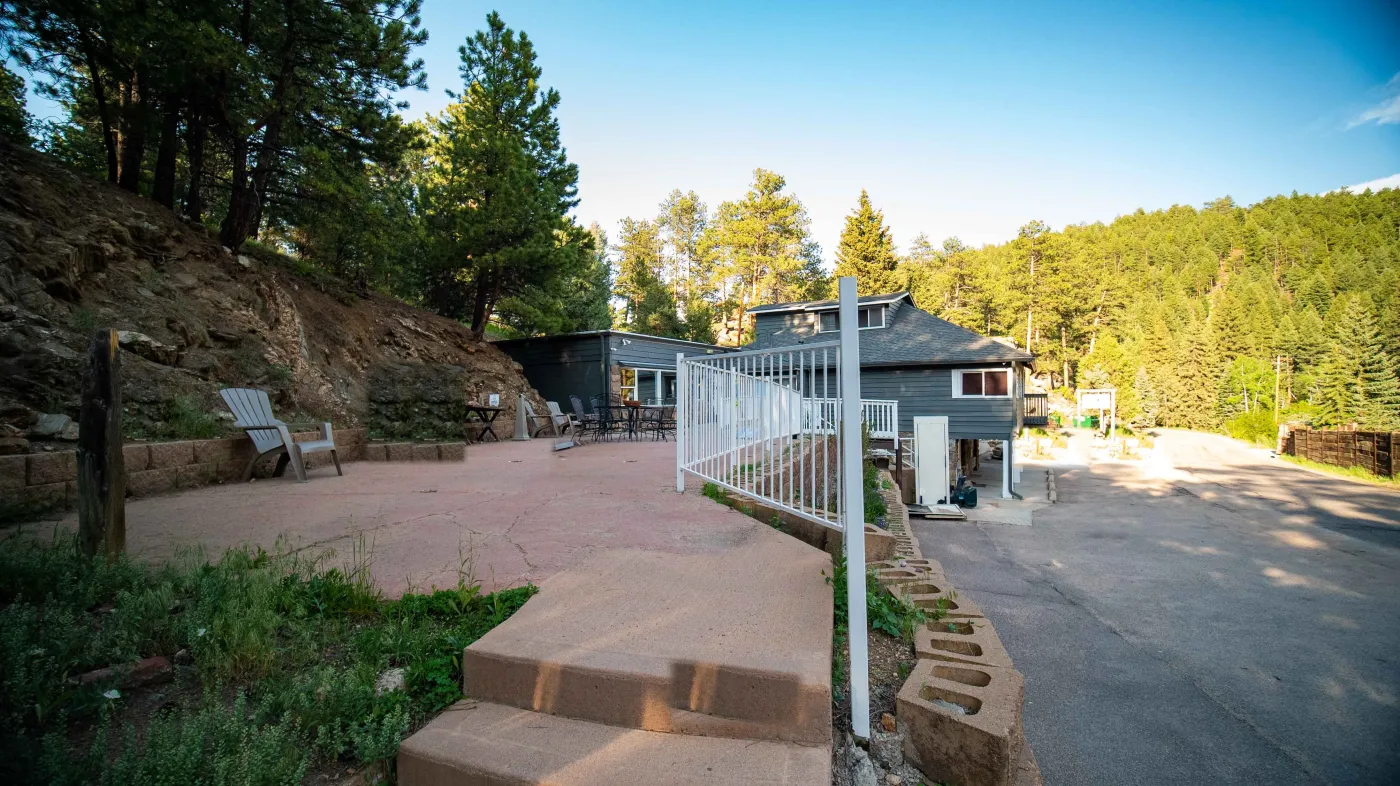
Detox and residential treatment are at Basecamp on our Morrison campus. PHP, IOP and Ascent sober living are in Lakewood.
9189 S Turkey Creek Rd
Morrison, CO 80465
Medical detox and residential treatment, at our Morrison campus.
8805 W 14th Ave #200
Lakewood, CO 80215
PHP, IOP and Ascent sober living, at our Lakewood center.

What clients and families say
I spent 33 days at base camp And was able to detox And learn about my disease and the skills I need to keep moving forward. I am currently In my 2nd month at IOP in Lakewood I love the meetings and the community It has been so helpful and I would recommend it to anybody
I've struggled a few times through the last couple years. Red Rock has been consistent and caring with my recovery. I 100% recommend anyone struggling for the care and focus they provide. Plus the after-program care is top notch
If your loved one is facing addiction, this is the place to be. The entire staff is professional and caring. My son is now in a Red Rocks sober living facility and has been drug and alcohol free for almost three weeks. He is excited about being apart of this program and is embracing his sobriety.
Bre my case worker was amazing in finding me help after treatment . The whole staff was caring and understanding during a hard time . So thankful for all them ! !
This was my first time getting help for my addictions. I learned a lot from group sessions and really appreciated the schedule and staff. I’ve taken a lot of things I’ve learned from base camp with me after. I would 100% recommend Red Rocks to anyone struggling with addiction.
I decided that I couldn’t handle my addiction on my own and contacted Red Rock Recovery Center. They changed my life. From day one, I realized I was in a place where I was genuinely being cared for, by both the staff and the other people in my group. They offer peer support groups and endless sober meetups after you graduate. You’re never left alone. You’re provided with every resource imaginable and are supported for the rest of your life. I’m beyond thankful for RRRC, for their care and for their never ending support. You’re not alone out there. Promise. There is a community out there committed to your wellbeing.
Red Rock has a solid foundation w people who actually care about others at the core of it. I’m extremely grateful to the staff and community of this place and I will always talk highly about the program and most of the therapists. 10/10 would recommend
Absolutely life changing. My kids will never have to live with a drunk mommy and I feel so in control of my own life decisions now that I’m sober. I’m so grateful that I get to live a sober life for and with my children
Questions about meth treatment
Meth addiction is serious, and you don't have to face it alone. Take the first step with a confidential call.
Do you treat meth addiction?
Yes. We treat methamphetamine use from medically supervised detox through residential treatment, PHP and IOP, with therapy for cravings, mood and the problems that come with stimulant use, and care for co-occurring mental health conditions. The first step is checking your coverage and talking with admissions. See all our levels of care.
Does insurance cover meth treatment?
Most commercial plans cover addiction treatment, but what's covered depends on your plan and the level of care. We're in network with Anthem, Cigna, Aetna, UnitedHealthcare, Optum, UMR and TRICARE. Use the form on this page or verify your insurance to find out before you call.
Do you take Medicaid for meth treatment?
Health First Colorado (Medicaid) can cover our medical detox and our outpatient programs, PHP and IOP, but not residential treatment. If you have Medicaid and need residential care, admissions can point you to programs that accept it. See our insurance details.
Do I need detox for meth?
Many clients start in medically supervised detox, with 24/7 medical oversight while they stabilize, sleep and eat again. Admissions also checks for alcohol, benzos or opioids, which can make withdrawal riskier. You can start admissions by phone, any day of the week, and they'll recommend where to begin.
What if someone is seeing or hearing things after using?
Hallucinations, paranoia or confusion after using can be stimulant psychosis, which may need emergency care. If someone is in danger, call 911 or go to the nearest ER. Once they're safe, treatment can address it. Read stimulant psychosis vs mental illness.
How long does meth stay in your system?
Meth's effects can last many hours, and it can be detected for days afterward, depending on how it was used and how much. Withdrawal and cravings can last weeks. Our post on how long meth lasts covers effects, duration and recovery.
Is meth addiction a moral failing?
No. Meth changes how the brain's reward system works, which is why cravings are so strong and stopping is so hard. Addiction can happen to anyone. With the right plan and support, people recover, and many of our own staff are in recovery. Read about dual diagnosis and what often sits underneath.
Can my family be involved?
Yes, with your consent. Your loved ones can join family sessions with your therapist and a weekly online family group, and your therapist keeps them updated if you agree. Read about family therapy at Red Rock.